

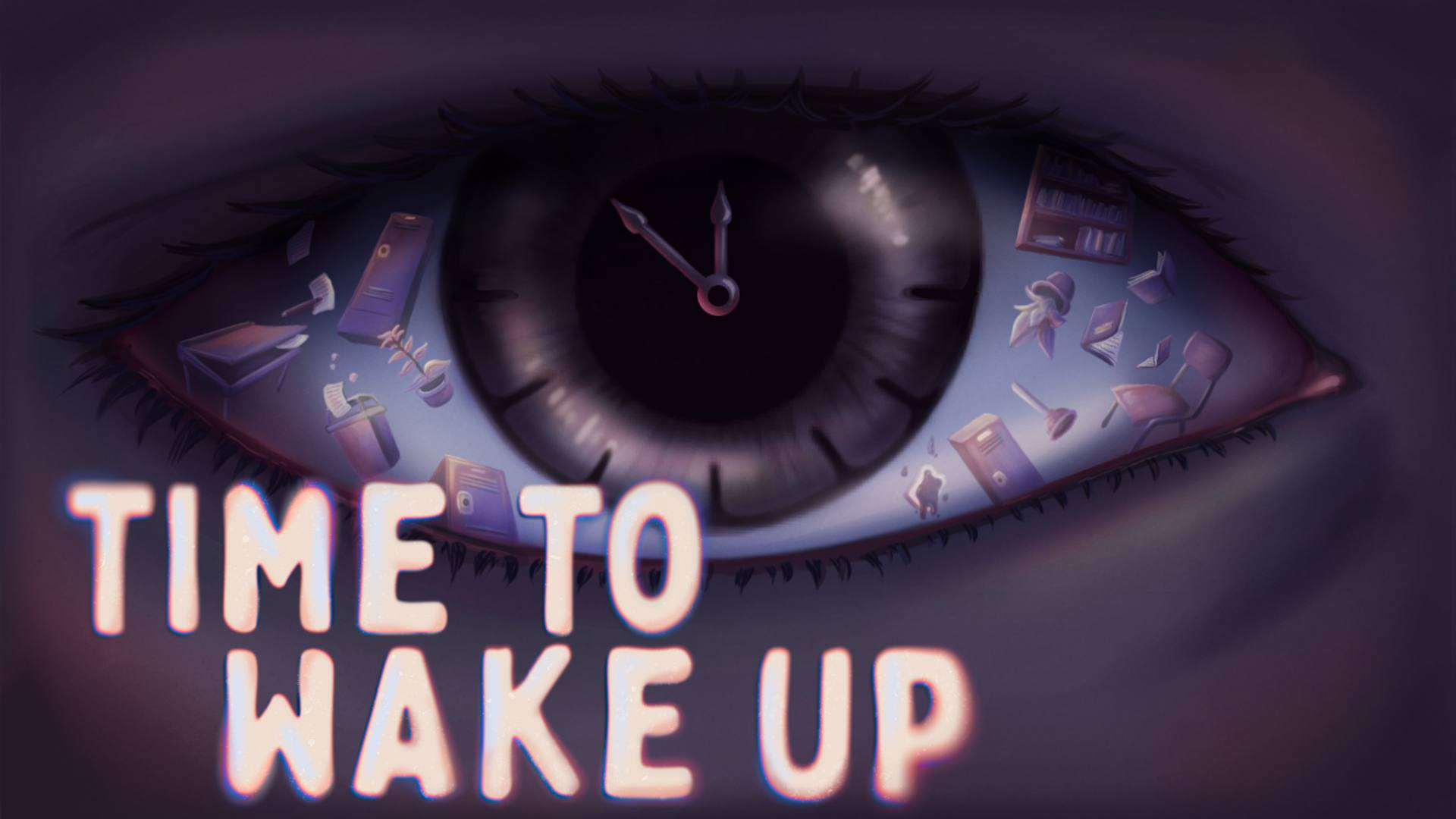
Time To Wake Up is a first-person descent into the psyche of a traumatized person hoping for a better future.
Have you ever wished that you had a different life than the one you have right now? It is normal to have regrets. Perhaps if a job opportunity or a relationship did not go south, you would be living in a different country. Or city, at least. But then, as you are here, reading this, that means that you can still change whatever does not please you. Time To Wake Up tells the surreal story of a man caught in a toxic cycle desperately hoping to get out by going deep inside his psyche.
First-person perspective video games have an immediacy, intending to make you *feel* exactly like the person you are controlling. In the brief 2-hour journey that Time To Wake Up takes you on, it makes you question the nature of interactive experiences as a whole and your life in the process. Alan is a young man holed up in his apartment with severe psychological issues: abusive childhood, abandonment, and extreme bullying. Sleeping his days away with pills, at a critical moment he actually goes into a lucid dream hoping to face his many traumas.
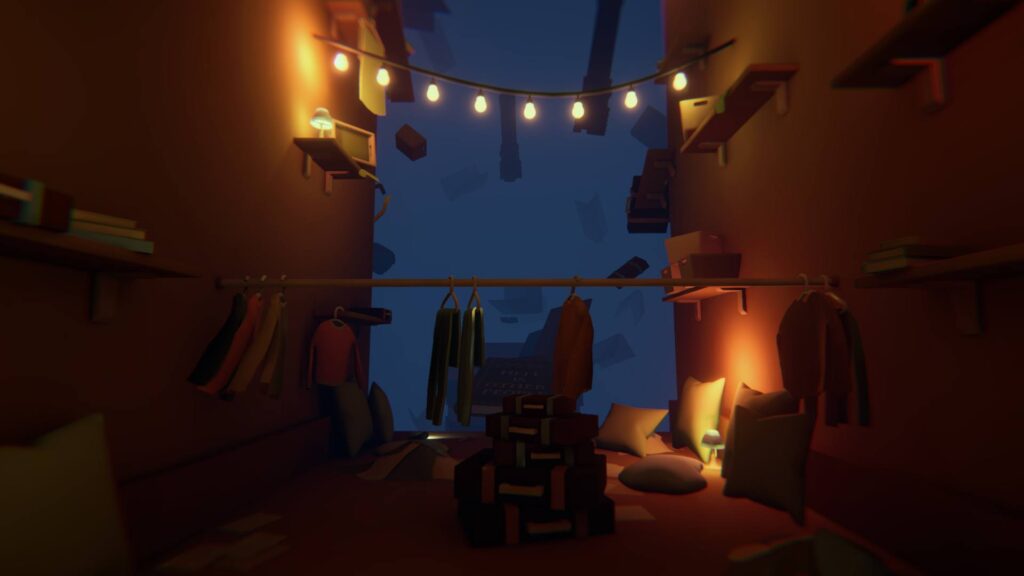
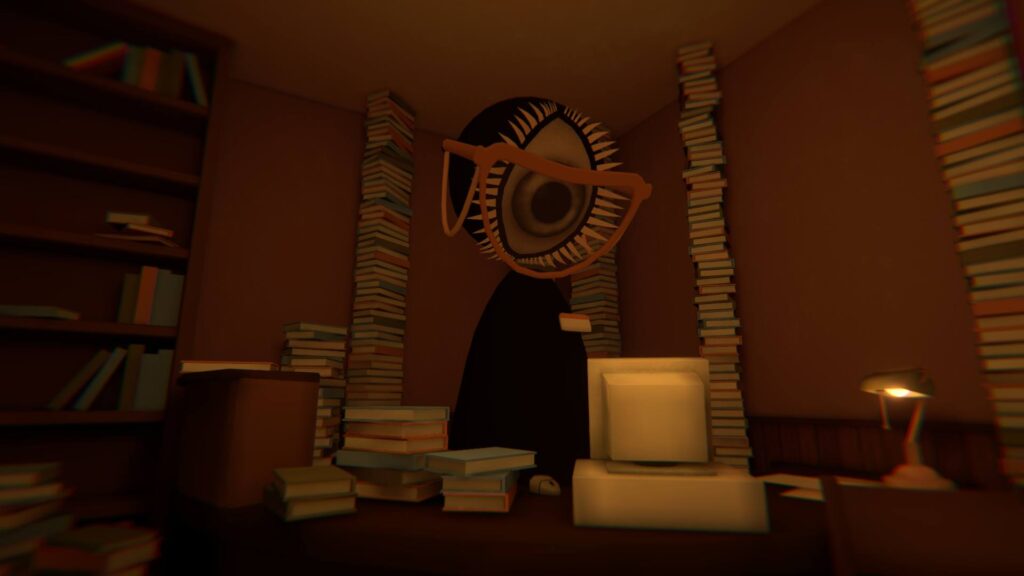
Guided by an apparent voice of reason, Alan needs to go through a series of blurry memories to regain his consciousness. A veritable journey through the subconscious, Time To Wake Up tries its best to recreate what it’s like to be in a dream. Mostly exploring areas inside a primary school, like a classroom, a gymnasium, and a library, a picture starts to emerge. Alan’s mother was too busy for him, so he dived headfirst into reading—the bookworm he was—and creating an imaginary author called Tom to help him navigate this awful period of his life.
Hiding further and further into his shell, it is clear that using Tom as a crutch for Alan to excuse his introverted behavior backfired into his current situation. The “main quest,” then, becomes obvious: search for the memory of Tom inside his mind and delete it. Though this is easier said than done.
By blinking to change the surrounding environment, obstacles move from one place to another so that you may pass. An evident duality in his perspective: light and dark or kind and hostile phrases change while blinking through the level. Few puzzles that ask to pay attention at the Salvador Dali-inspired environment make it a bit more than a walking simulator.
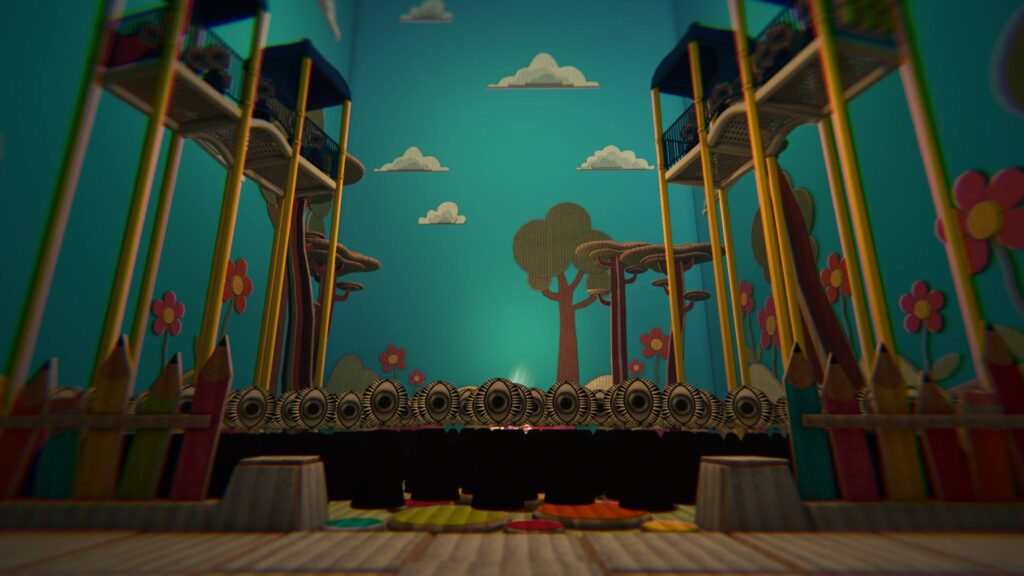
Later levels introduce platforming and stealth sections. Increasing in complexity, the game usually asks you to jump as you blink so that rotating platforms reset to a horizontal state. What would be considered friendly toys soon become hurtful hazards that, next to the kids laughing, tinge these horrifying memories with a dark tone. Never too challenging or scary, the surreal imagery lends itself to an uncomfortable visual feast.
It must be said that Time To Wake Up glances over the myriad of psychological issues somebody may be suffering through. If it was just as easy as getting up and deciding to “get better,” then everyone would do it. But the truth is that life is so much more complicated than that.
There are bad brain days. There is a hopeless uncertainty of the future. Finally, there’s the creeping existentialism. Then again, I would be asking too much of a short game to tackle deeply rooted issues that are more interested in showing scarring and surreal scenes instead. All in all, I commend their effort in trying to portray the difficult scenes of a traumatized childhood.
Verdict
Spending an evening playing a game such as this one leaves a bittersweet taste. It’s a small but solid effort that leaves much food for thought. Most people, and in particular introverts, went through a difficult childhood, myself included. Being bullied meant you had to stand your ground, but not everyone chose that route. Time To Wake Up tells a tragic story with an earnest ending that, while it may feel unearned, the developer’s intention does not go unnoticed. Perhaps, if you are ever in that situation, you will also find the courage to fight for a better future.
