
An opinion piece in which I navigate friction in video games getting the best of us and how simple it would be to just let it go.
Studies indicate that informed buyers research before making their purchase decisions. A generally good practice, this becomes more difficult when talking about video games. Some may have a demo, but it might not successfully showcase everything a game has to offer. Gameplay elements could be tweaked by the time it releases. Player feedback could influence narrative arcs, combat mechanics, or even puzzles. In short, there are various factors that may not give a full grasp of what a game is. Going by the comments in some of Crimson Desert’s YouTube puzzle-solving videos, I suspect more than one feels buyer’s remorse.
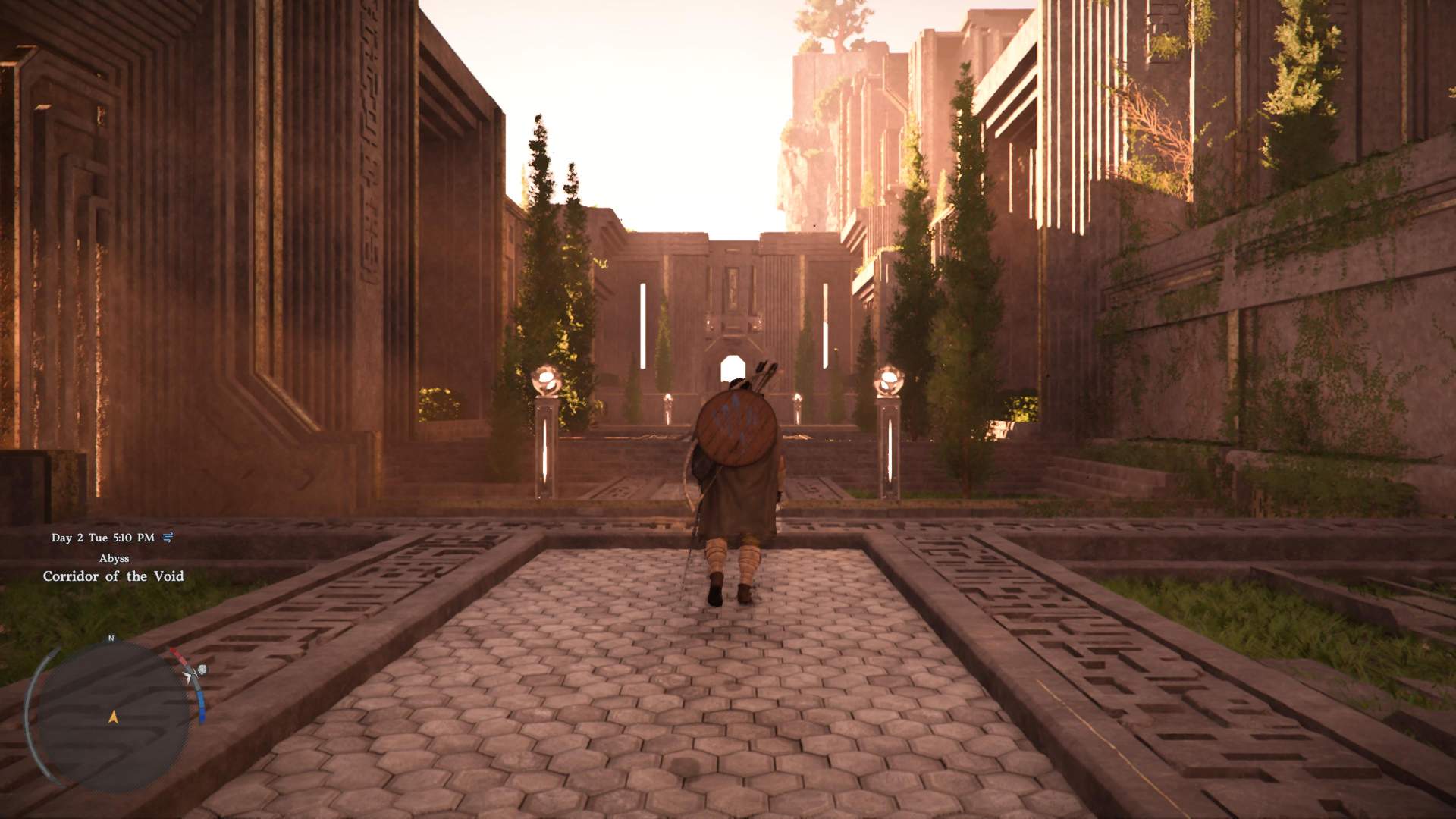
Marketing, or the hype machine, is what comes into play to assure players that they are making the right choice. In the case of AAA games, it is easy to know what to feature: a massive, reactive open world with plenty of decision-making, the latest graphical quality available, and flashy boss battles. You look at the trailers and think, “This can’t be real.” Crimson Desert was one of those video games where it just looked too good to be true. From house-building and decorating to dungeon-crawling, it seemed from the outside like it was the ultimate fantasy RPG.
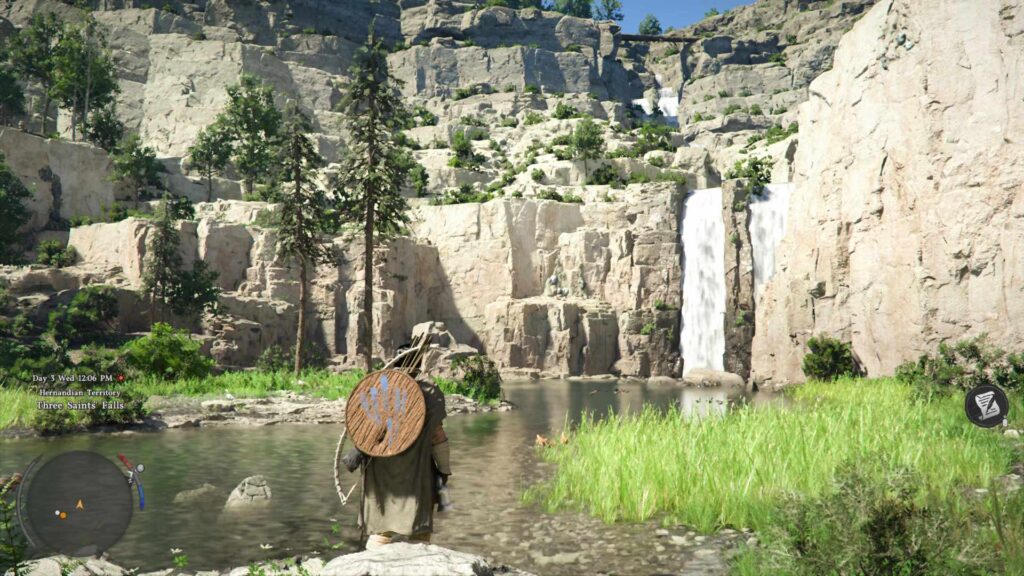
Reviews were generally favorable when the game came out. Even then, a pattern occurred. The reviewers who loved it REALLY loved it, and the ones who hated it could not stand it. How could a game be so beloved and despised at the same time? When it finally arrived in the hands of players, it eventually became clear what was happening. The beginning was painfully slow, and there was no fast travel. Puzzles were unintuitive to the point of tedium. Boss fights, at least going by initial reactions, were pain-inducing.
Comments such as “It’s driving me to the point of insanity” and “Game developers: we don’t want you to have fun anymore” started to pop up in the YouTube guides for the game. Replies like, “I have joy paralysis with this game, its so good and I’m so happy that I end up freezing and don’t know what to do,” also appeared. That is great; this write-up is not about bashing Crimson Desert. At the time of writing, developer Pearl Abyss is diligently updating it and dulling the rough edges. The bone I have to pick with the people who are playing video games without enjoying it.
Late last year, I made the time to play the Assassin’s Creed Shadows DLC called “Claws of Awaji.” If you did not know this about me, I love open-world games. I have played Red Dead Redemption 1 and 2, the new Zeldas, The Witcher 3, and all the main Assassin’s Creed games. So I have a certain amount of tolerance for friction in the form of weapons breaking, flimsy controls, or tailing missions. What I did not expect, and what devastated me, was that this latest DLC had the most cookie-cutter mission design I have ever witnessed in the series.
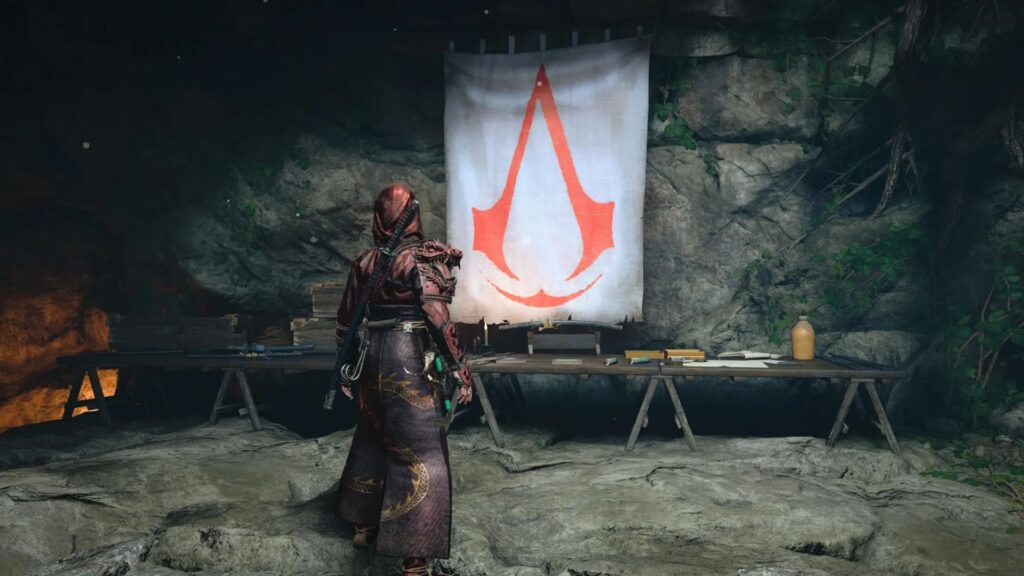
Go kill this sub-boss, rinse, and repeat. I finished it, but at the cost of my sanity. Video games like Skyrim proudly present themselves as busywork, a never-ending checklist of quests that will always keep you entertained. That is, unless you don’t find it fun. At the end of the day, that is what it is all about. I fell for the hype of Crimson Desert myself. I spent 80 dollars, but after finding that it was not for me, I made the difficult choice to drop it. Right then and there. Because one thing more important than money is time. And if you sense that it is dragging, I am telling you: it is alright to cut your losses and move on.
