
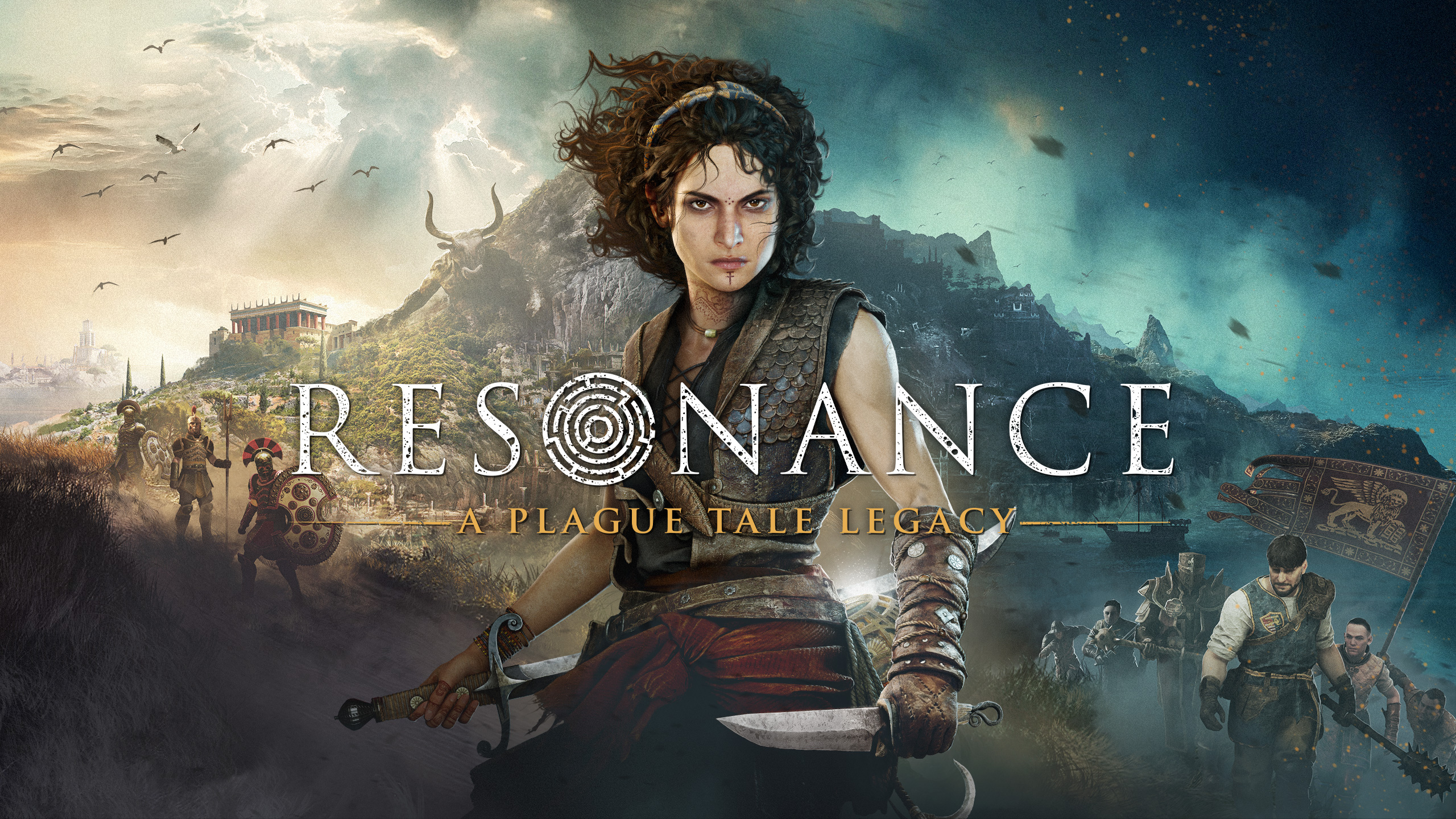
Resonance: A Plague Tale Legacy is a weird game to get a handle on, at least for me. I remember when the first A Plague Tale was released, and it was already on my radar. That kind of special AA game that lacks the polish of its bigger competition but makes up for it by just being a great game. I mean, my only complaint about the first game was your FREAKING BROTHER HUGO WHO NEVER DOES WHAT YOU TELL HIM TO!!! Sorry, just having flashbacks to all the mice attacks he made harder than they needed to be. Look how far we have come.
Seriously, if you compared that game to Resonance: A Plague Tale Legacy, the two are like night and day. More importantly, the trajectory of developer Asobo Studio in building these games feels like I’m back on the PlayStation 3, watching Naughty Dog hit you harder and harder with each Uncharted game. It’s the best comparison I can come up with, too, considering that this is the closest an experience has come to matching those games in a long, long time. In terms of how long, um, Uncharted 4—that’s how long.
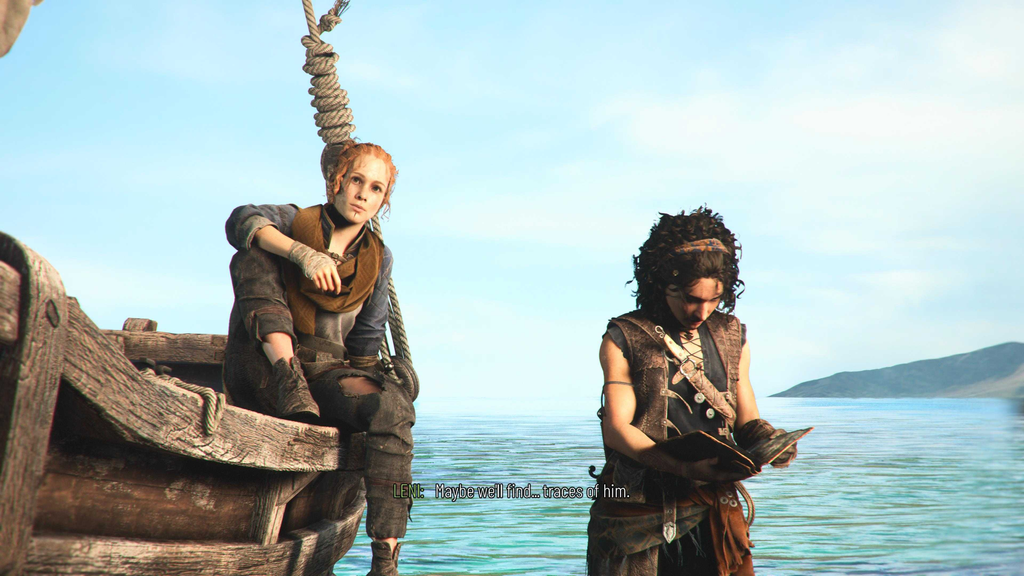
Sophia was introduced in the previous game, so there is a direct connection between this prequel spin-off and what you are familiar with, but you would be surprised by how often the game doesn’t feel like it crosses over. The bigger thing is that the rat threat, which is what drove much of the platforming and puzzle-solving, as protagonist Amicia needed to navigate and clear paths while avoiding soldiers. None of that really crosses over.
I don’t want to go into spoiler territory, but those familiar with the franchise might know there was this deeper threat that the Black Plague and the impressive hordes of rats were spawned from. Resonance intersects with THIS, but you will feel the drastic shift in gameplay because of the omission. This could be a good thing, or a bad thing, depending on where you sit. What this really does is show the range of the universe to carry stories and embrace ideas beyond the Black Plague setting. This is 15 years prior, so in the timeline the rats have yet to emerge at this point (presumably).
This is also emblematic of the change in the setting and usage, if we are being fair. Trading in the bleak depiction of France, instead setting much of the action on a singular island of Crete, also known as the Minotaur’s island. Sophia and her ally travel here in hopes of finding treasure that her father died there years earlier for. There is a bit of a well-told setup to get here; it’s not like it ALL is set right here, but we get that brilliant adventure game buildup with the beautiful use of the setting when first arriving on the beach, which feels so classic.
What the story does with this setting is also massively interesting, keeping the motif of the minotaur in the forefront. There is mysticism and some unrealistic, elaborate set pieces in place, but the game doesn’t embrace the mythology as wholly factual. They blend this narrative with what the franchise has already set up, allowing this backdrop to evolve in unexpected ways, even when needing to figure out a light puzzle to manipulate a giant minotaur statue. It feels like they could just have aid screw it; there is a minotaur and been done, but the deeper you go, the less you know what to expect.
This is something the entire story embraces as well. Starting out, I clocked a few characters I expected to go a certain way or fit into the narrative in a traditional sense. I’m not always right; I would never make that claim, but nothing played out as I thought it would in my head. This leads to a second half of the narrative that beautifully subverts every expectation that is established by the first half, leading to an extremely satisfying conclusion.
This is anchored heavily by Anna Demetriou in the lead role, offering a playful performance that grows more fraught the deeper Sophia digs herself into the chaos. Not that the rest of the cast fails to match her; the characters are well developed and well performed, so you genuinely want to see their outcome. Using a traditional formula, though, Sophia will end up alone a lot, having to carry the narrative by being engaging, and she is in strides.
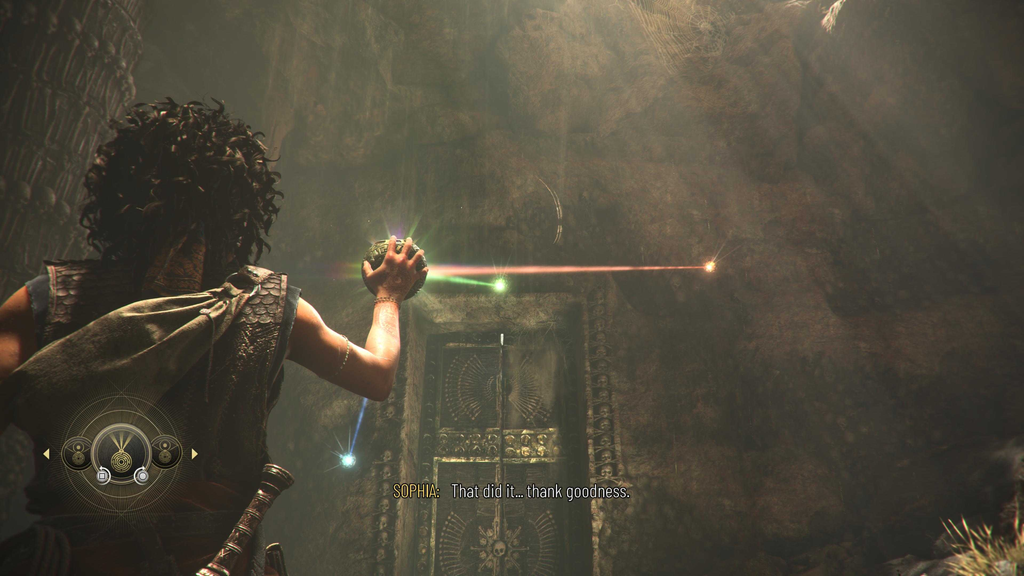
This might be an unpopular opinion, but I am not a fan of big room puzzles, and that will typically be what you are dealing with throughout the game. Moreover, I don’t like when you walk into a grand space with tons to see and explore. The solution is often easy enough; you look and see, but then you just get lost in the sauce as you wander around, not seeing the one thing you need to interact with to solve it or get the needed item to move on. There were plenty of times I was running around with a derpy look on my face till, lo and behold, oh, I can move this mirror,
This is all to build up to the fact that I actually did enjoy these moments when you need to figure it out. The game has pretty lengthy chapters, and I sense that these moments came up more often than not. I only clarify it that way because when you get stuck, they can feel like forever when they don’t actually add much. It feels like the pacing more typically puts puzzles as the focal point of some chapters, with others being far more combat-heavy; there it strikes a solid balance, though all chapters mix the two elements to prevent stagnation.
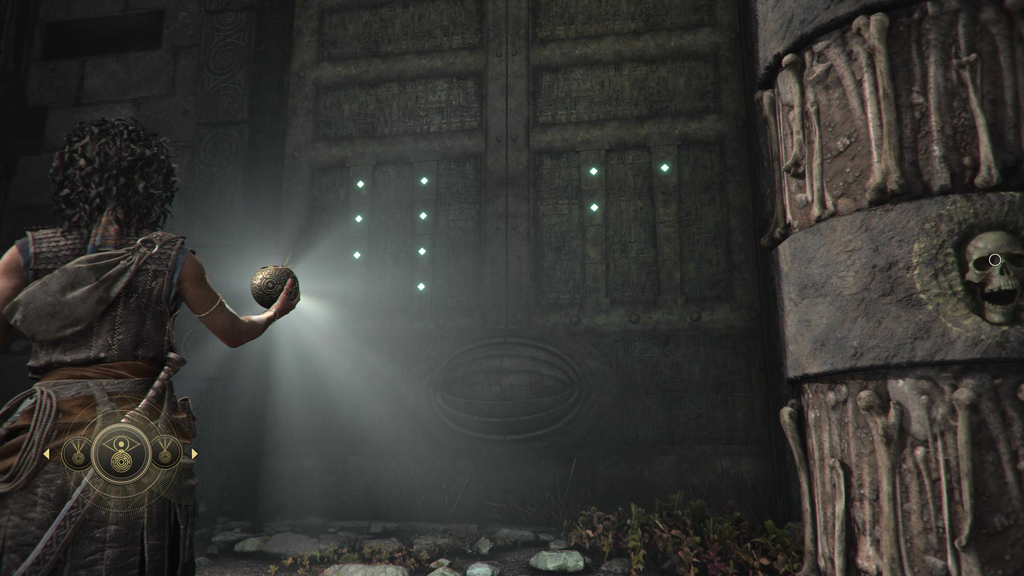
The player is given this orb that becomes one of the more important tools for solving mysteries. Some puzzles require tracking invisible lines for codes, for instance, wandering a room for hidden symbols to enter on pedestals. A more common trope is to use reflective mirrors you move to light answers, with some pretty clever variations. My favorite puzzle was a hopping floor puzzle that required an order to the platforms you moved between, listed on the floor right before it. The game doesn’t tell you just WHAT to do here, but you will piece it together and feel smart for doing so. Even if you need to get impaled on spikes to do so.
There is something to praise: even in the largest area with a series of lanterns, you need to move and illuminate ancient writing, in are fairly easy to piece together the start of the puzzle. This provides hints, which the game allows, painfully useless. You figured out you have to bounce light from one thing to another, but you’re missing the last piece: how to get it around the wall blocking the beam. You hit the hint, and the first is: “Hey, it looks like we must bounce the light to illuminate that lock.” Wow, figured that out. Try again: “Hey, you can use those mirrors to bounce the light.“”” Thank you so much! Like, obviously most games have progressive puzzles that have one or two easy parts before a wrench is thrown into the works. That’s true here; I feel like the obvious hurdle should get the hint.
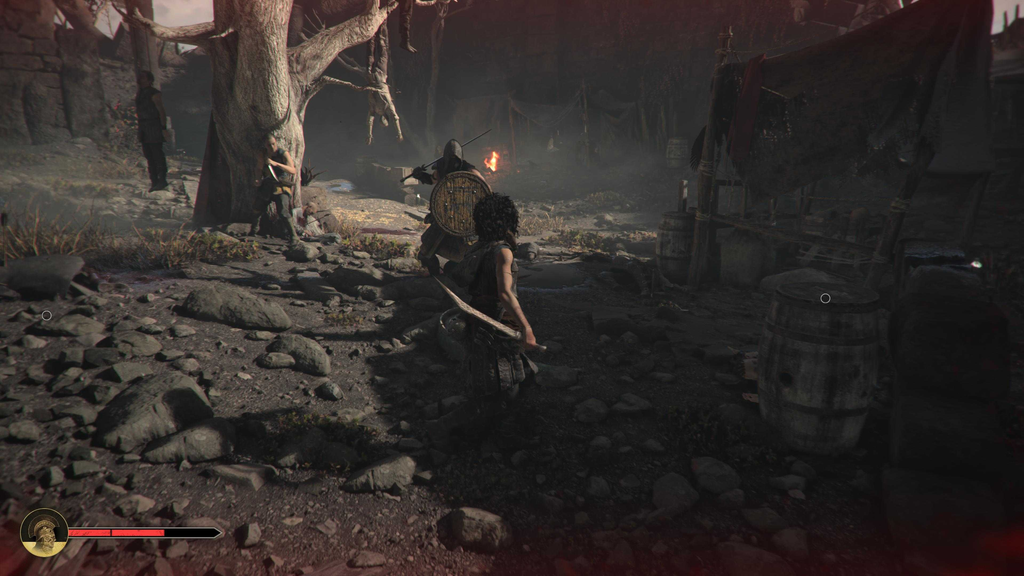
People acting like combat was a massive part of the previous game are crazy. It feels like an extension here. Amicia had to fight; Sophia is a fighter. The true change to this is that combat is designed as arena battles where Sophia can’t even approach in stealth; she just engages and starts clashing swords. Combat is both weird and wonderful, but it took me far too long to get used to. The parry isn’t hard, and the game has the common stagger system that players across many games should be familiar with. Landing a parry on a yellow attack grants an instant stagger, which is an interesting minor twist.
On the other hand, the stun is not as effective as in other games, where it could be an insta-kill. You get a heavy attack that you can hold for big damage, but timing is everything because it is easy to miss your window. On the other hand, hitting instantly ends the stagger, only granting 1 or 2 guaranteed counter hits before the enemy will probably block out of danger and reset. What really makes combat astonishing, though, is the cinematic nature, like kicking an enemy into a wall, then driving your dagger into them. A counter with a kill animation never gets boring; neither does throwing an enemy into another and knocking them off a bridge.
Where the construct wears thin is that combat can be very fast; I would argue too fast. Most arenas will have enough enemies to surround you, and countering one makes timing on another difficult. The thing is, Sophia only gets three bars of health, and unlike a standard health bar, every three segments are one hit, while you regain a bar for killing an enemy. In this sense, combat is almost like a puzzle with no genuine solution. This is great until they start introducing harder enemies that can just jab you before you realize it from behind or otherwise.
There is this backend leveling system that I loved, but it has no effect on that. You get one ability to add a fourth bar, but a true upgrade system would have been so much more helpful. You unlock skills, all of which add a valuable ability to your mix, with each having a mastery to expand it. One of these is the throw ability that was my go-to. Dodge their attack and throw them into everybody else, knocking them like dominoes so you can get in and get aggressive. At worst, they are like a double dodge, which is great in combat, just not a drastic improvement.
The better features are charms that add passive abilities, like a larger parry window, to the mix. The best part is that these are actual items Sophia will put on, adding to her appearance overall and showcasing a sense of progress as you travel through the island. You will also find more swords than just the one she starts with. The caveat to this is that combat is all segment damage; none of these have straight damage buffs, instead having minor tweaks to certain combos and attack types, so picking is more about finding what benefits the way you play.
The biggest, most frustrating component of gameplay is a third segment type that just frustrates the hell out of me. You are, by the end of the whole thing, tormented by a certain monster type in these lengthy segments that feel like stealth moments, though they do not pressure you to do so. A lot of the second half is wandering open areas where one wrong step instantly kills you, as you are not even really given the time needed to get your bearings. You will die a lot in a frustrating death scene that can’t be skipped. The thing is, moving slowly and crouching are presented as the right way to traverse, but it is so easy to trigger a wrong step that it makes even this feel unproductive at times.
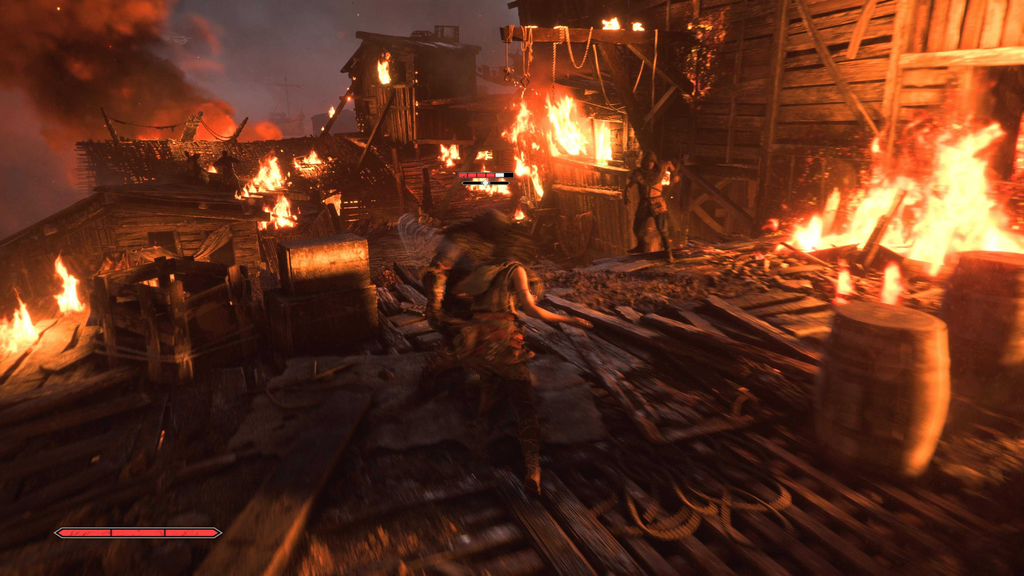
As part of this, there are also a few too many runaway segments during that portion as well. Occasionally this is just a straight-up action moment that has everything crashing down around you. This can be annoying because it is easy to miss the right trigger to progress as so much is happening, making at least my playthrough disjointed because I never saw these moments in one fluid run. That’s a me thing though. The stealth segments, when you mess up, turn into run segments you will typically lose, adding insult to injury.
Verdict
Tell you what, I loved my time in Resonance: A Plague Tale Legacy, even when I was running for my life from instakill. This is everything an adventure should be; it pays homage to games I grew up on to craft an experience that felt shiny and new. More than any of that, it opens up the universe for more experiences than just keeping rats at bay and throwing rocks at people’s heads. A Plague Tale: Requiem ended with a cliffhanger and a promise of what is to come. Resonance delivers on none of that. It tells an engaging story, it offers fun gameplay, and it kept me guessing until the final credits. This is the most Uncharted 4 game I have played since Uncharted 4, and I could not be happier.
Remember to follow us on Twitter, Facebook, and Bluesky to keep up to date on everything we have going on!
Reviewed on PlayStation 5, also available on Xbox Series and PC
Developer: Asobo Studio
Publisher: Focus entertainment
Release Date: August 27, 2026
Pros
+Engaging narrative full of adventure
+Grandiose and beautiful set pieces
+Fun combat that is very cinematic
+Clever light based puzzles
Cons
-Monster segments can be more annoying than enjoyable
-lack of meaningful combat upgrades make later segments frustrating.
-
Resonance: a Plague Tale Legacy
