

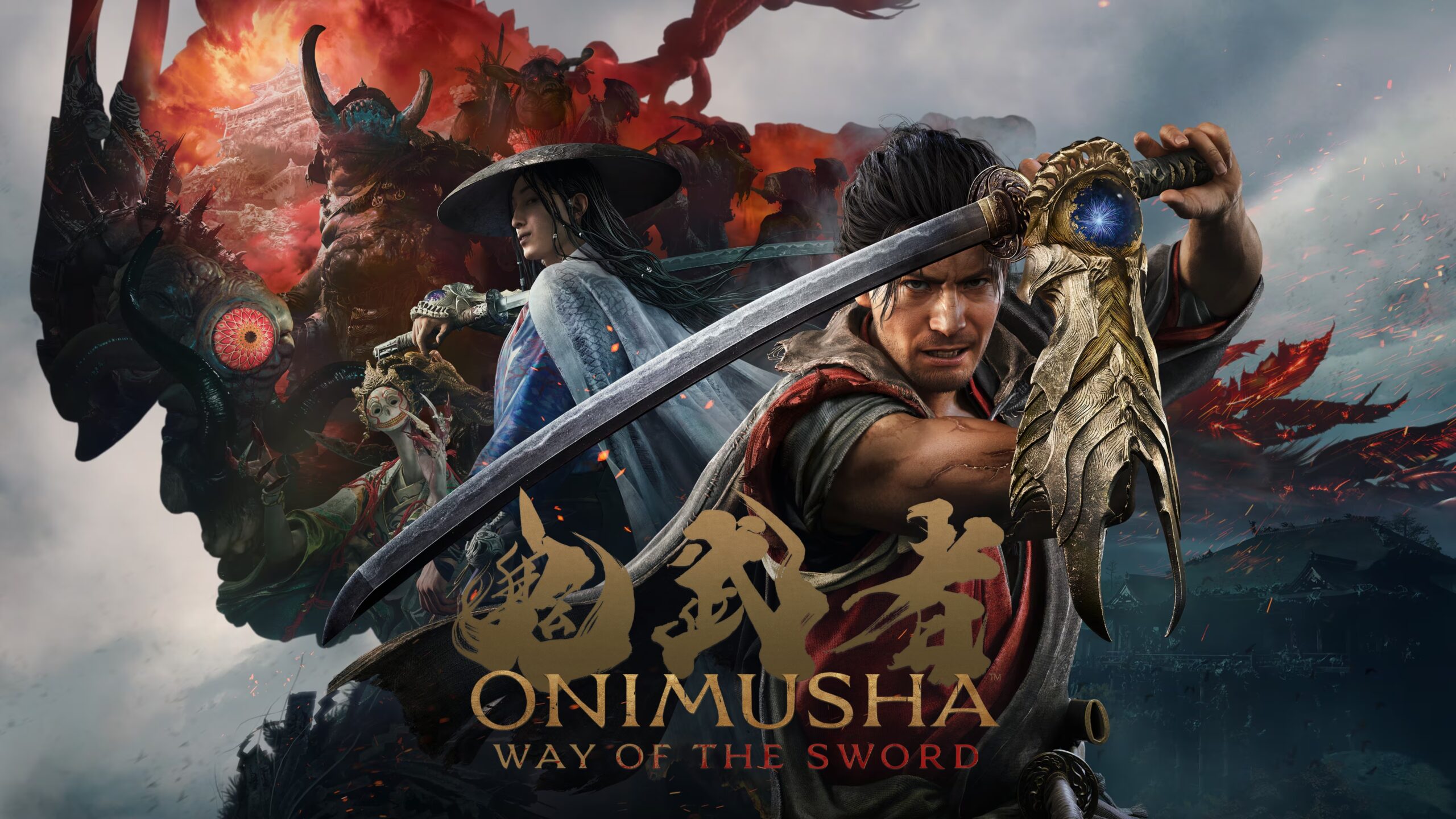
Last year I had the opportunity to review the remaster of Onimusha 2: Samurai’s Destiny, a game I had probably not touched in maybe 15 years. Even then, I never owned it. I enjoyed it, but like most millennial games, I think the one thing that can’t survive a pair of rose-tinted glasses is tank controls. At one point, and I never went into any great detail in that review, I had to fight this one boss named Jujudoma, at which point I nearly whipped my controller at the wall. Combat-wise, she wasn’t particularly hard, but there was one screen transition in the middle of the stage where suddenly everything was confusing, and I couldn’t see her. I was not in a great place.
I’ll be honest, I don’t really know where I was going with this. I gave Onimusha 2 an 8/10 because I still love the series, but what really got me excited was the promise of something new offered by Onimusha: Way of the Sword. Cameras that don’t cut around and combat that doesn’t feel like a game of chicken. Some franchises vanish because there was a time and place for them, but the Onimusha series felt like it still had life in it, and when you dig deep into it, there definitely is.
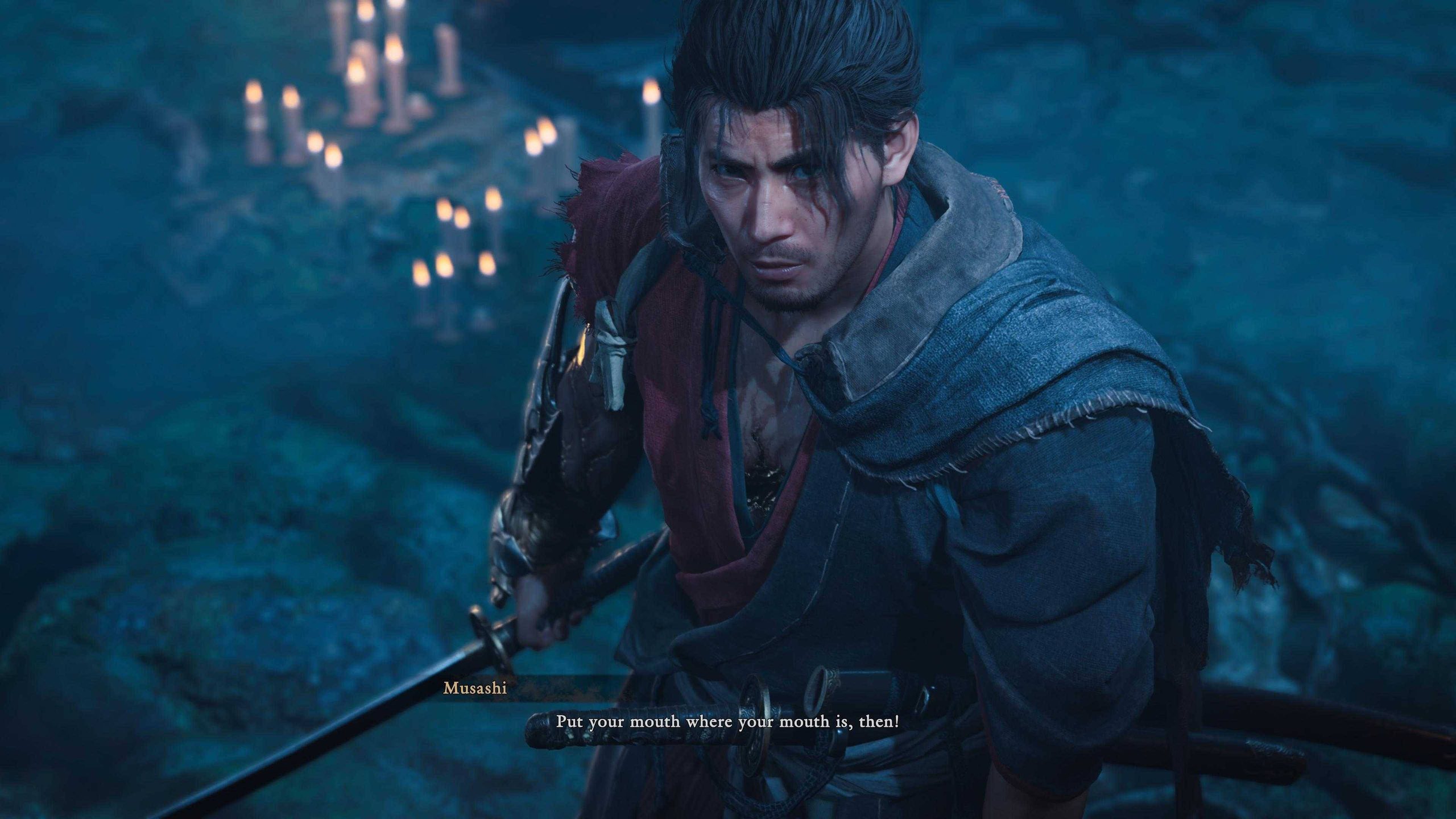
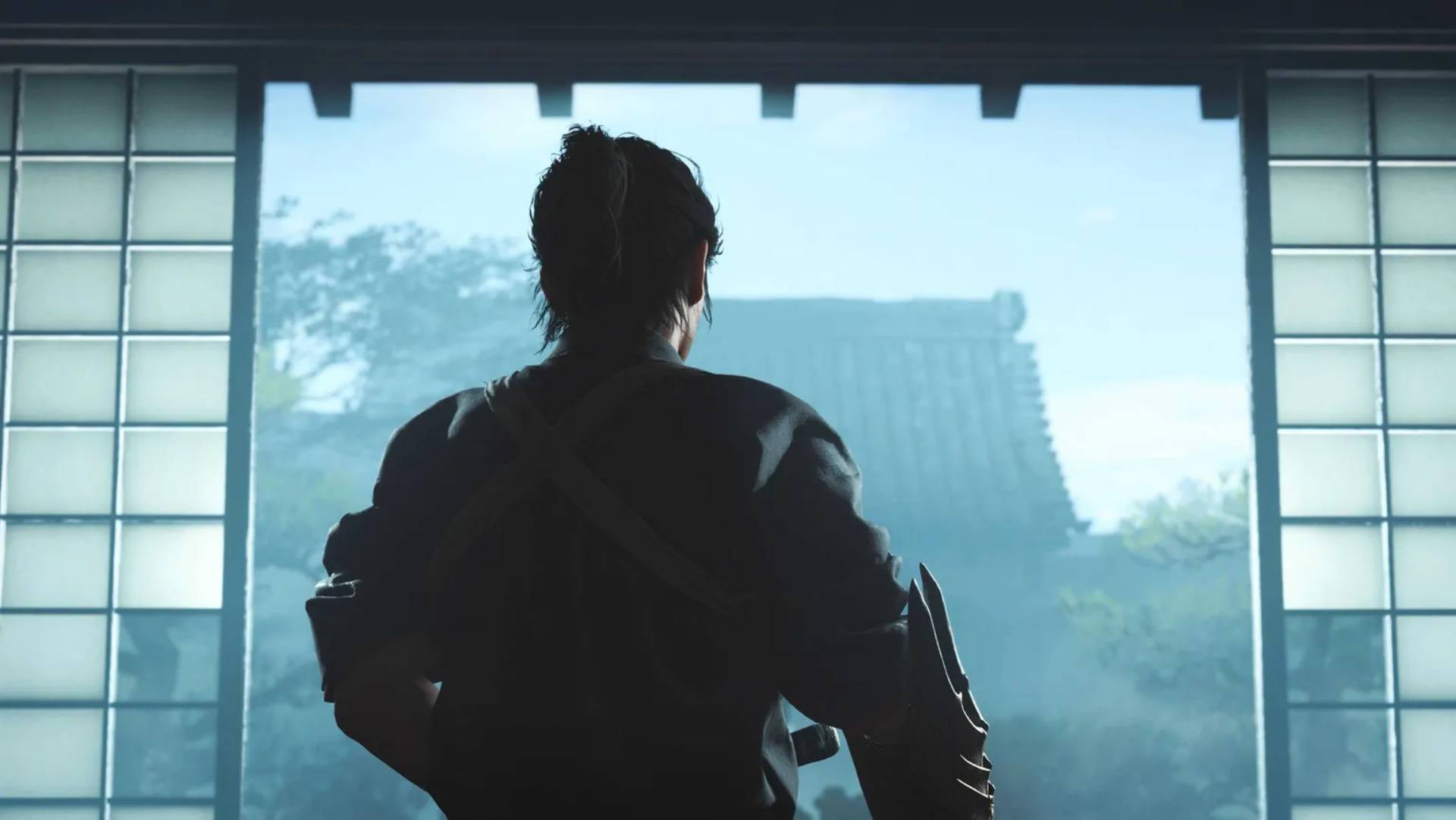
Miyamoto Musashi makes for a fairly compelling new lead. The late, great Toshiro Mifune served as a character model for the character, having once played the character in a trilogy of films. The more interesting part of this portrayal is that Mifune played the role rather stoically, a prototype for the kind of honor-bound heroes that would populate Japanese pop culture. The character here, though, is a lovable goofball who is introduced stumbling around the battlefield in an attempt to escape Genryu hoards, which is actually more in line with the Mifune classic role, that of Seven Samurai’s Kikuchiyo.
It works, though; Musashi is endearing, and his inner circle makes for great banter along the way. It’s an intriguing twist on the historical figure, making for a less confident lead that you can grow with along the way. Likewise, it also makes the expectation less predictable, even if the whole demon thing isn’t all that realistic to begin with. Combined with the skill-based combat of the game, you also see a parallel with Musashi conquering the challenges before him, with your confidence behind the controller mirroring the on-screen conquest.
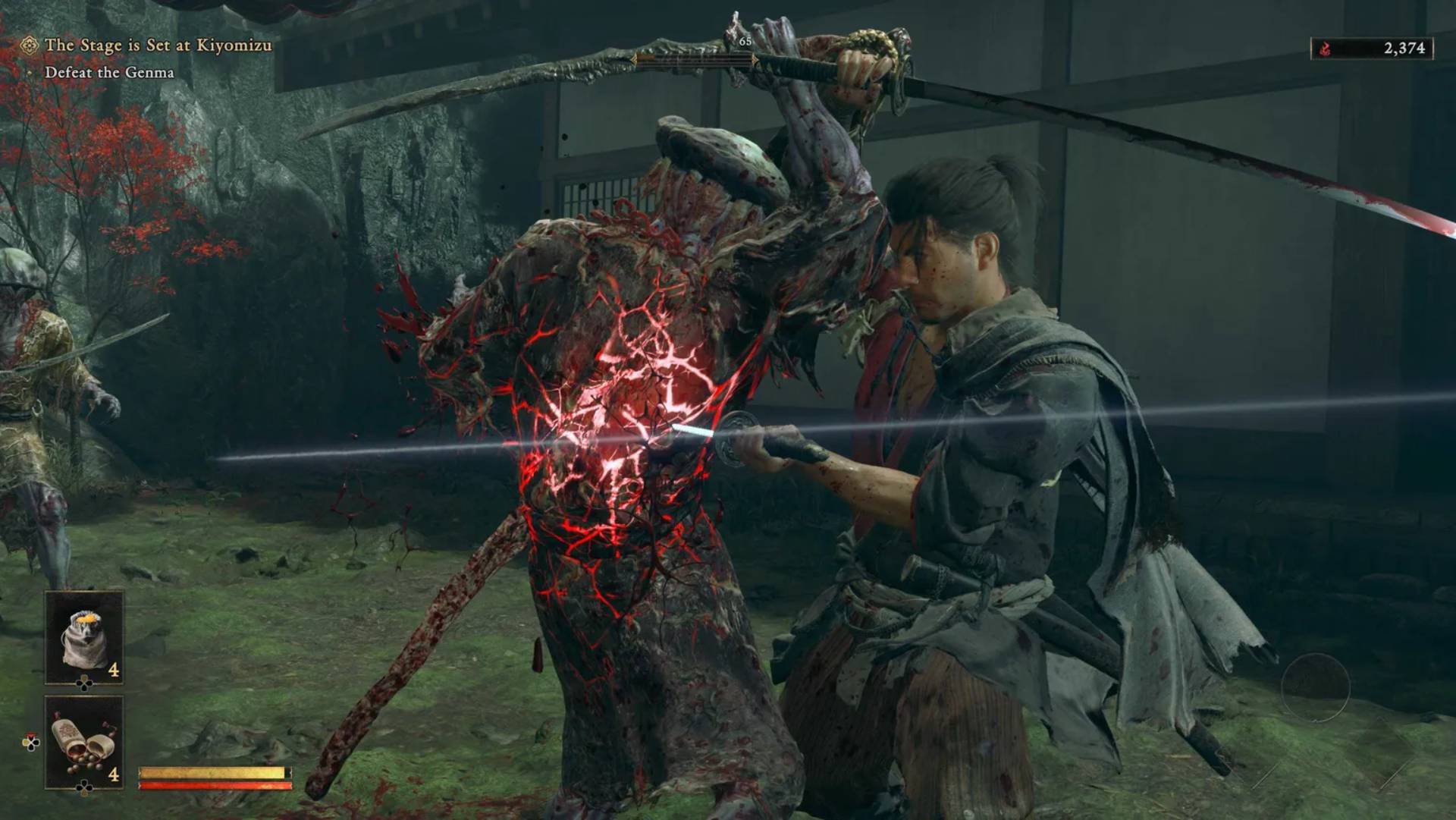
In general, the combat is the most welcome change of them all anyway. I have heard the comparison made to that of Sekiro: Shadows Die Twice, but I genuinely found it to be much more enjoyable. That comparison comes from the fact that it is parry-based at its most simplistic. The first thing you learn, really, is how to perfect block, accompanied by a badass animation and an opening for a counterattack. With a stagger gauge on all enemies, this introduces the idea that if you open up the demon’s defence, you get free hits, then stagger them, and you rise and repeat. That’s basic stuff.
Onimusha: Way of the Sword then goes on to subvert this almost immediately. Actual victory is nowhere near that simple. The orbs that constantly appear to heal you or be banked for experience float around until you manually consume them. I made a complaint about this in my demo preview, but in the main game, enemies can consume these too. Leave them while clearing groups, and they can eat them and unlock higher base powers. Everybody, including bosses, can do this, so take an already challenging fight and multiply it because you were zoned out.
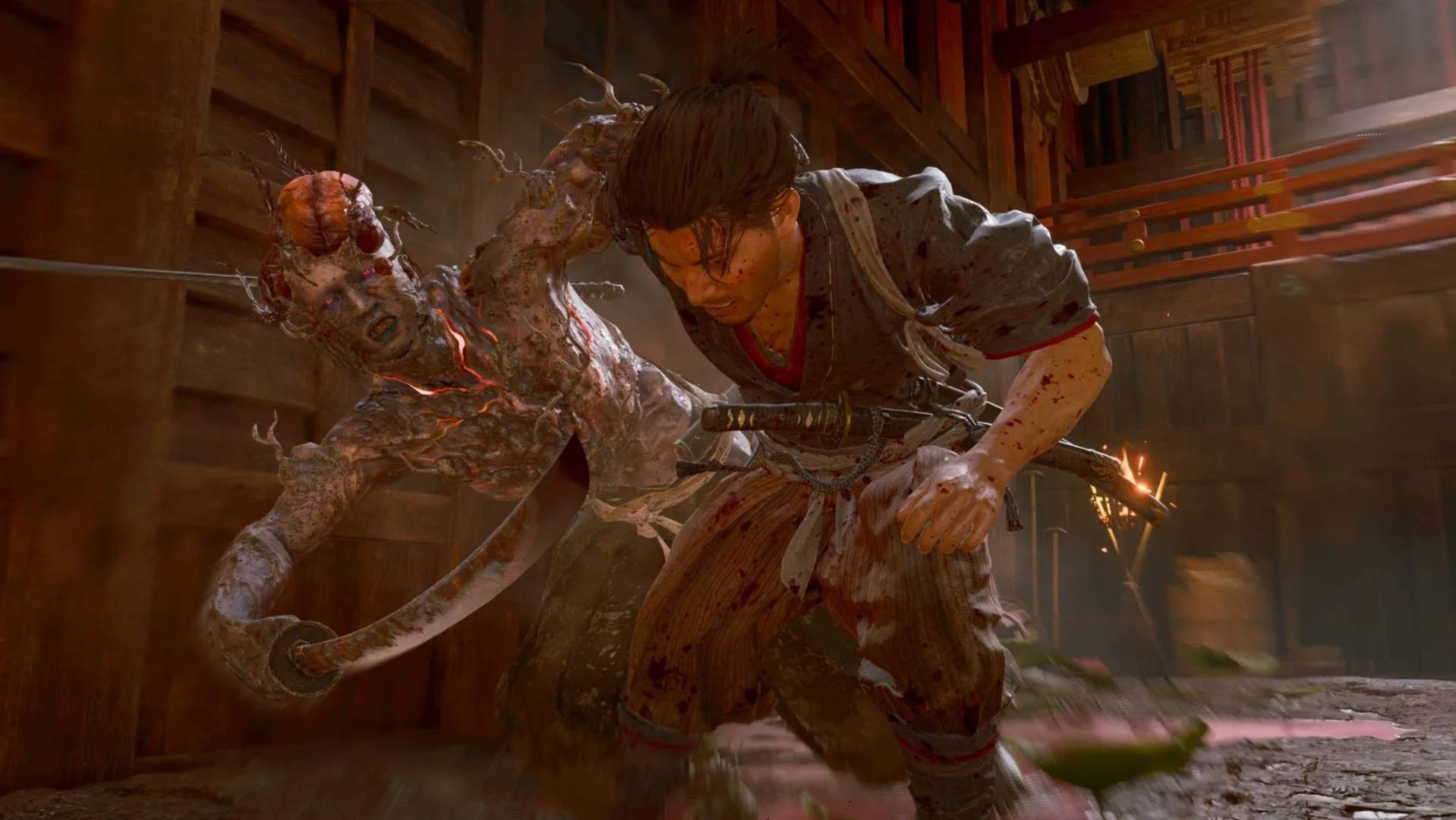
There is also a constant introduction of higher-tier enemies that make the base combat, which is fairly easy to do, even harder. It constantly changes the dynamics, with the player constantly returning to an ever-growing and distorting Kyoto they can freely explore. It feels like a parry game right up until the enemies outgrow that. And then you need to fight a fast-moving, hard-hitting boss that will rekt you, putting you through your paces until, finally, fifteen fights in, you finally win. That’s the strange feeling you get. Starting on bosses, with almost all having two forms, my first fights barely saw me beat them past half health, but I never got as stuck as I did in a Souls game. I always managed to find the timing to control the flow.
Eventually you win and progress, even if you get frustrated in the process when you can’t land a block at just the right moment. I never did feel like I was being robbed of victory in this, just that I needed to keep going until I had to get the timing just right. And then you do, and it’s a crazy rewarding feeling that has you out of your seat. And the level of cinematics that never leaves combat, showcasing and highlighting the constant increase of skill, is just remarkable. This is especially true when you see sword clashes and stalemates that can be triggered against any enemy.
This is before you start factoring in all the twists to combat that soon added a new layer of dynamic, then require your improved skill with them to compete. A teleport and counter skill that requires perfect timing, attacking against an incoming attack. Or a more technical block that drains massive amounts of the opposing stagger bar. That latter one became my go-to since the timing was the same as a perfect block, with one added step for more reward (yet a less cool sequence to showcase it). That is why I love this system, though. I couldn’t figure out how to attack on time with most attacks for that first counter, so I largely removed that from my move set, and it still works. Nothing requires you to structurally play one way.
Onimusha: Way of the Sword animations when fighting are incredible. I will complain here a moment in service to the setup that, unless you lock on, Musashi can attack an enemy just before swiping in midair. It was because of this that I first landed a block to Musashi’s back, in which he whips his sword behind his head and deflects the blade. Many attacks hit him backwards, causing the player to stumble to the ground or be pushed back. This adds to the more humorous approach to the lead but also serves to make attacks feel weighty, which you rarely get to feel in games.
Much of the game takes place in the open area of Kyoto, which is unfortunate, as the open world felt like a low point in the overall experience. Besides finding collectibles around those parts, there are a series of side quests you can undertake, but none of them are particularly interesting. In fact, one set involves going to other locations and hunting down five floating enemies that try to hide behind buildings. Nothing hard about it, just time-consuming and boring. The sad part is that these were the most exciting ones, as most involve going to a location and fighting the enemies. There are a lot of these two, so there is plenty of repetition.
In contrast, I did enjoy another series of missions that involved some mysteries occurring around Kyoto… Granted, the mystery usually ends with demons doing it, something that feels like something everybody could have seen coming. These tasks, by comparison, have narratives that continue throughout with actual characters rather than cut-out samurai with baby faces (all the characters have baby faces; it’s weird, and I don’t know if I am into it). That makes actually fighting the demons feel less like an obligation.
The thing about Kyoto, though, is that it is slow, painfully slow. Once you reach here, you can probably expect to take part in padded-out content, which genuinely feels like it actively wants to just extend the runtime without saying anything. At best, you get some narrative, furthering things to do in the worst version of linear areas that the game has to offer, with, at worst, the player needing to run around town closing demon rifts. Most of these also reuse the same 2 sub-bosses as well, making the experience wear thin very quickly. Outside of this, collecting items needed to upgrade your gear can be done here, with a few legitimately requiring a ton of running to find the access point to a locked area for one item.
This is crazy because I actually loved the linear, more traditional areas. Your first introduction to the game is this temple; you do progression pretty straight forward progress through, but making your way through is fun, the purest kind, too. Later variants on these areas are even better, adding a few clever puzzles and more dynamic stages to progress through. They are long as well. Then you beat them, and you’re back in freaking Kyoto debating which way to go. There is travel between all the different areas, so you will get to return, but it will mostly be to find the same kind of collectibles as in Kyoto.
I also have issues with games when they add stuff to the map way before the point I can get them. The thing is, you do expand the area you can explore in Kyoto. Just like everything else, it is a slow process to do so. One thing was added onto a small island right off the main part of the city that I could not get to until around 6 or 7 hours after it first appeared. Others appear in locked areas that you cannot reach, with entryways right outside the radius of exploration. You can pet the lion dogs, though, and at the end of the day, that’s all anybody really wants.
Verdict
Onimusha: Way of the Sword upgrades the franchise from the previous era, making for a much more technically challenging game. Instead of fighting fixed camera angles, you are fighting fast enemies with move sets that require precision to overcome. This could easily feel like anything or everything else on the market, but instead, thanks to a clever skill tree of robust abilities, you get a vast amount of tools that require timing to master. It is enough that you can choose which ones to emphasize practicing if others aren’t working out the way you need them to. This elevates the title’s combat from simple hack-and-slash to something creative and enjoyable.
It might be fair to say I wish that they had abandoned the open-city concept or embraced a return-to-form concept similar to what Capcom has done with games like Resident Evil Biohazard, but I digress. This area still allows you to take part in the best aspects of the new systems, even if mixed in with less-than-noteworthy inclusions. Mushashi’s journey is one worth experiencing for yourself, offering a sense of growth that cannot be overstated.
Remember to follow us on Twitter, Facebook, and Bluesky to keep up to date on everything we have going on!
Reviewed on PlayStation 5, also available on Xbox Series, Nintendo Switch 2, ad PC
Developer/ Publisher: Capcom
Release Date: September 4, 2026
Pros
+Musashi Miyamoto is a great, compelling lead
+Combat is among some of the best
+Structured stages are enjoyable
+High Tier enemies make for great, tense technical moments
Cons
-Open World Kyoto less compelling than was hoping
-Pacing can be slow
-a lot of reused enemies for world tasks
-
Onimusha: Way of the Sword
