
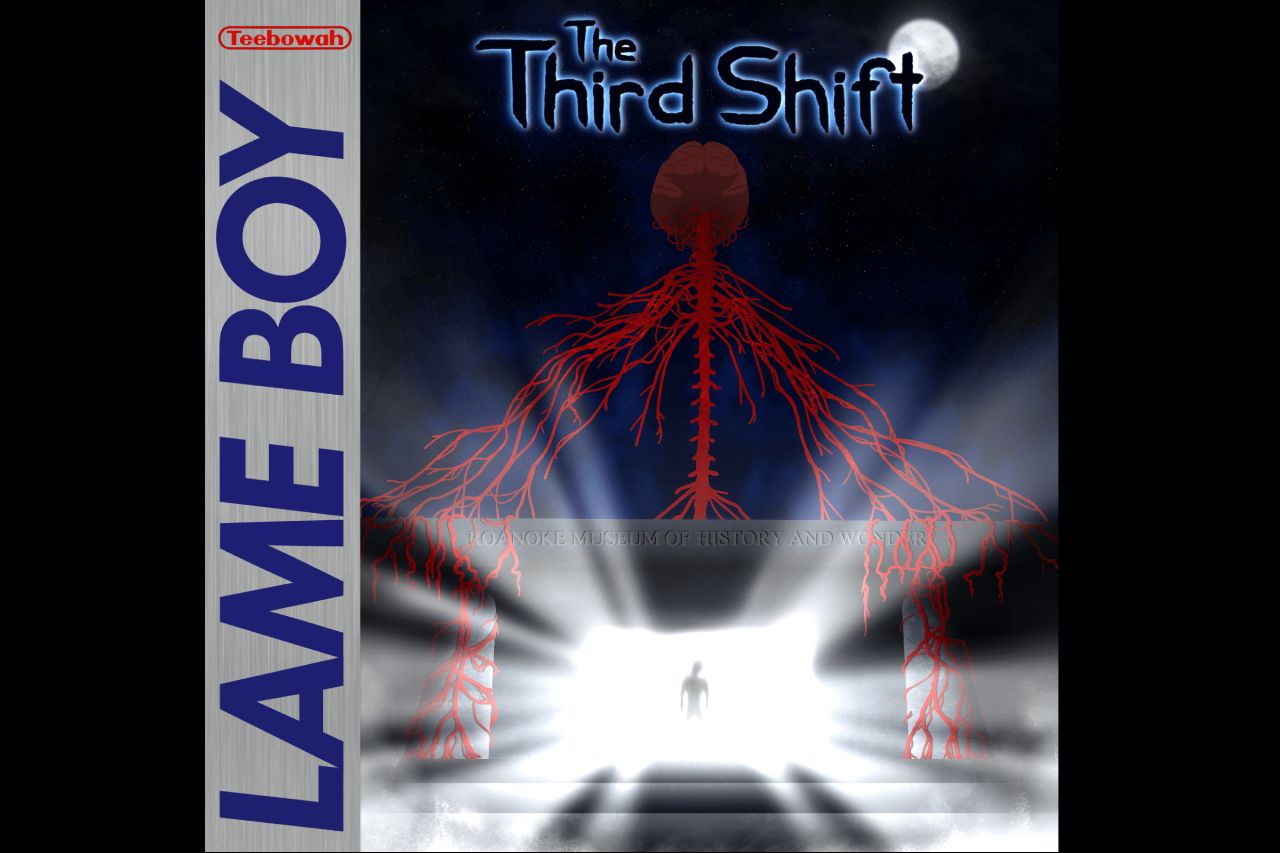
The Third Shift is a thrilling Game Boy-inspired horror adventure that will spook and amuse unsuspecting players with its terrifying tale.
The Third Shift is the long-awaited new release from Teebowah Games. The idea for the game came about when lead developer Scottie Supple wanted to play a GameBoy-style horror adventure game, couldn’t find one, and decided to make it himself (partnering with Julian Crowhurst for music and sound design). With development beginning in 2012 and a demo releasing in 2019, the game already has a small but highly dedicated cult following. This labor of love is a must-try for anyone with an even passing interest in horror, adventure games, 90s culture, or odd occurrences.
Players take on the role of the new night guard at the Roanoke Museum of History and Wonder. As directed by your new boss, Daniel, your first stop is the Body exhibit. Pretty much immediately you begin encountering strange things in the exhibit itself and hints of something nefarious from scattered notebook pages written and hidden by a previous employee. You’ll also run into two key NPCs early on—a local protestor who believes the museum has stolen her son’s body and the night janitor who seems to know something very wrong is happening.
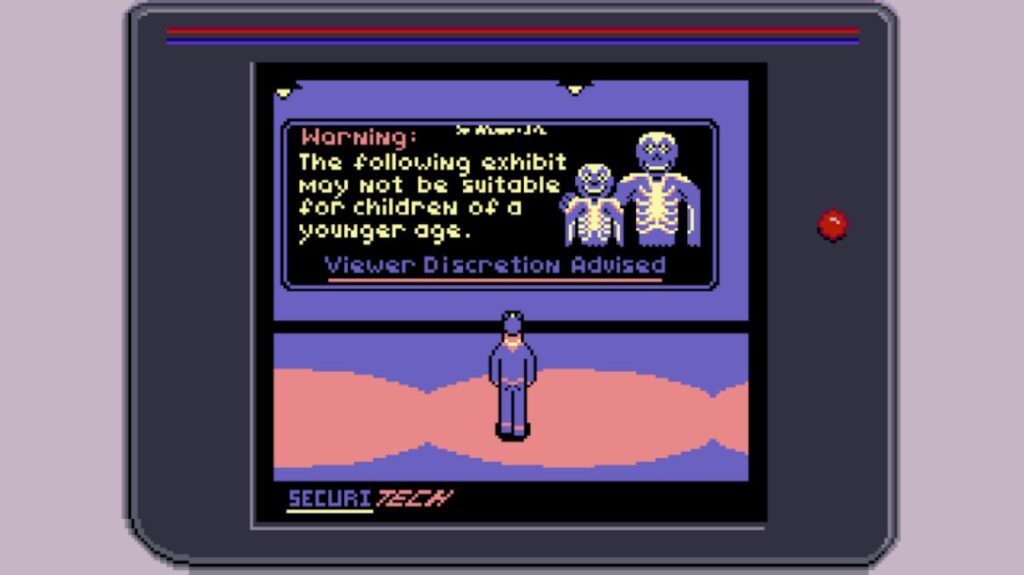
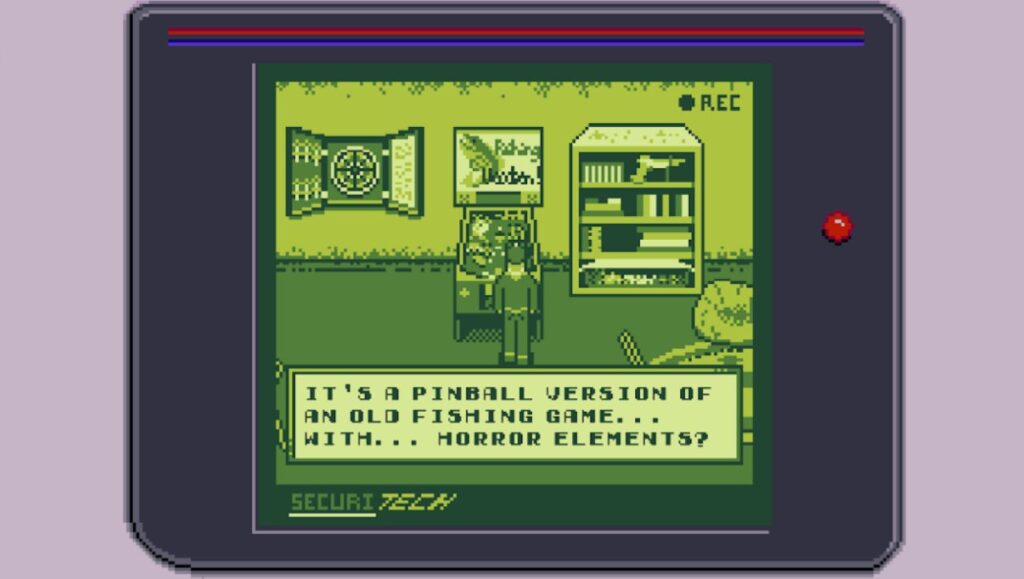
Core to both the narrative and moment-to-moment gameplay is the interplay between first- and second/third-person viewpoints. You’ll be in a second/third-person view when Daniel can see you on a security camera. Anytime he loses sight of you, action proceeds in a first-person viewpoint. You’ll find that many of the game’s secrets are found in first person, where Daniel can’t quite tell what you have or haven’t discovered. How you interact with the different characters in the game, how much you choose to hide from Daniel, and how closely you search the various areas will influence which branching path you take through the game. It will also influence which of six endings are available to you.
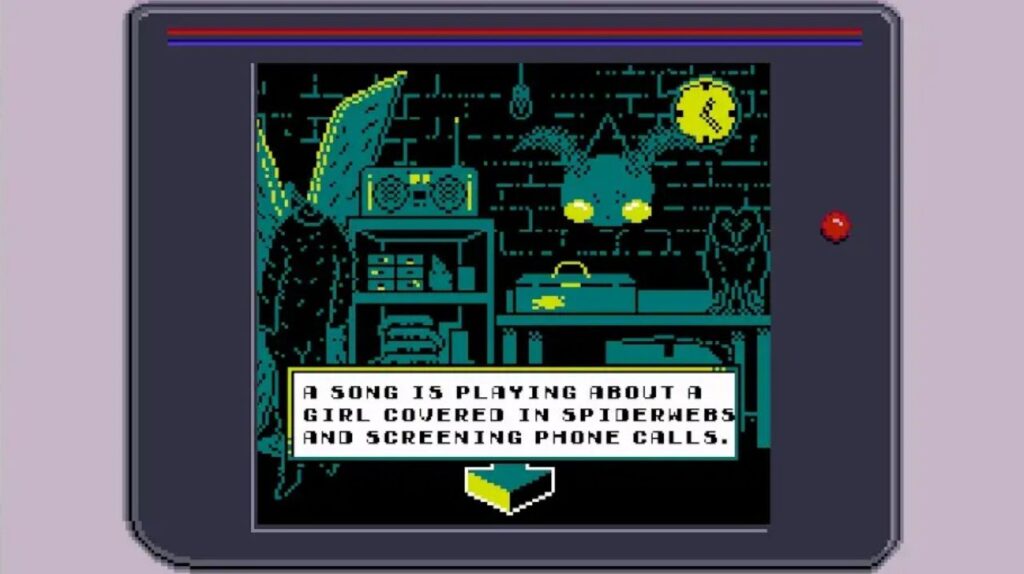
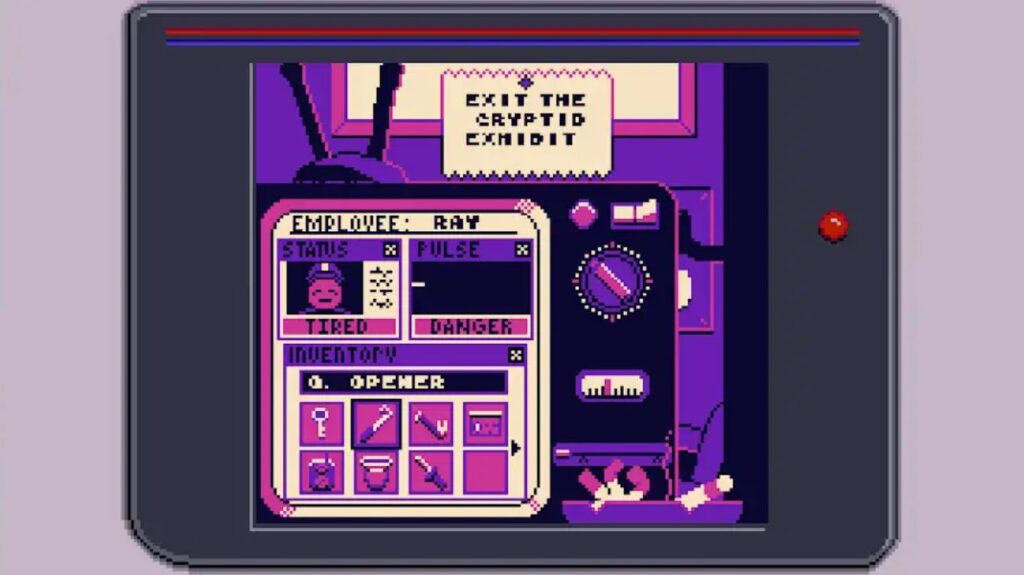
The museum setting is perfect for the story being told in The Third Shift. The visuals, music, and environmental sound cues create a situation where you can easily be creeped out even when nothing “wrong” is happening. The areas are impressively distinct and a ton of fun to explore. The aquarium features tons of amazing animations and one of the game’s coolest set pieces. The Cryptid area has a mix of well-known and less popular cryptids recreated in lovingly detailed pixel art and fairly thorough text write-ups.
In the background of all the horror and tension, it’s actually a really cool space to explore just as a museum. There are other areas with direct and important historical backgrounds, which I’ll leave for players to discover themselves. The foundation of a good myth is a mix of the historical and the fantastical, and that’s precisely what we get here.
Players who do not typically think of themselves as “adventure game” players will find this game easily approachable. There may be some pixel hunting for collectibles, but you never have a hard time visually identifying puzzle elements. You may need to backtrack in a strange way or dig through every little corner for some Steam achievements, but the critical path is always pretty clear.
I struggled a little initially with navigating the museum using the fixed third-person camera angles, but areas usually start safe (or at least safe-ish) so you can take a little time to get your bearings. It works well thematically to be a little turned around at first, and you get used to it fairly easily. If you get an ending you don’t like, the game will give you hints on how to get a different one. Some of your collectibles carry over to new playthroughs, and the game gives you the option to skip the introduction, so jumping in and trying again is easy.
Scott lists Resident Evil, Clock Tower, and Uninvited as primary influences. And those all show up clearly if you’re familiar with those games. The clear screen immediately brings to mind a Resident Evil clear screen. They shot a live-action commercial (you can watch it on their Steam page) that harkens back to the original PS1 Resident Evil intro. Uninvited was the first place many of us saw a first-person horror adventure.
There’s also a text scrawl scene that I think is a very specific call back to the coffee break scene in Earthbound. The interest in cryptids feels very 90s kid looking up websites on 56k. There are music references that extend beyond what I’d expect to see. I wasn’t that surprised to see a reference to “Ironic” by Alanis Morissette or “Spiderwebs” by No Doubt, but I was very surprised to see a reference to Shania Twain’s “Whose Bed Have Your Boots Been Under?”
There are other text blurbs and iconography that many will recognize, but I want to leave room for you to hopefully try it and discover some yourself. That said, I mention these things because I believe that the number one strength of The Third Shift is Scott’s uniquely personal vision. By making the game he always wanted, with references to his own experiences and likes, he has made something so authentic that the quality transcends the individual influences. You don’t need to have heard any of those songs or played any of those games. You can pick up The Third Shift right now and find something that speaks to you and thoroughly enjoy it.
Accessibility
There are no settings in The Third Shift that specifically relate to accessibility, but most of the game is designed so that they are probably unnecessary.
The Game Boy “shades of green” style color palette is resistant to color blindness issues to begin with, and the game offers many other color schemes at the push of a button (more than are shown in this article). Specific puzzles and environmental elements rely on iconography or occasional sparkling cues rather than color differences.
The music and sound design are atmospheric but not crucial to gameplay. A hard-of-hearing player will miss a few audio cues that hint at the direction of a hazard or something to inspect, but all crucial audio cues are accompanied by a text description as well.
Breaking free from enemies and one late-game sequence require rapid button tapping. There is one bit during an endgame escape sequence that players might assume is timed, but actually you can take as long as you need for the inputs. No puzzles include a rapid tapping element. Players who cannot comfortably button-mash may want to use a controller with turbo capability.
Verdict
The Third Shift should be a new genre staple. It harmonizes elements of many classic games and genre tropes while modernizing them. It rewards pixel hunting but doesn’t require it. Not only that, but it also has depictions of gore and horrific thematic elements. The graphical style and sense of humor make it a little easier to stomach if you’re normally a bit resistant to those depictions. A fresh playthrough will take a little under three hours.
Subsequent playthroughs can be as little as 90 minutes. The content, quality, and variable playthrough length make it both a great piece to really dig into and something you could run through quickly, like a “comfort film.” The original game demos are still available on Teebowah’s itch.io page, so please give it a shot.
Reviewed for Steam. Also available via itch.io.
A key was provided for the purposes of this review.
Developer/Publisher: Teebowah Games
Release Date: Out now
Pros:
- Excellent sound track
- Near-perfect execution of horror comedy tropes
- Beautifully realized monsters and environments
- An accessible, inviting take on the adventure game genre
Cons:
- Collectibles can be frustrating to find and missing one often requires a new playthrough
-
Amazing
