

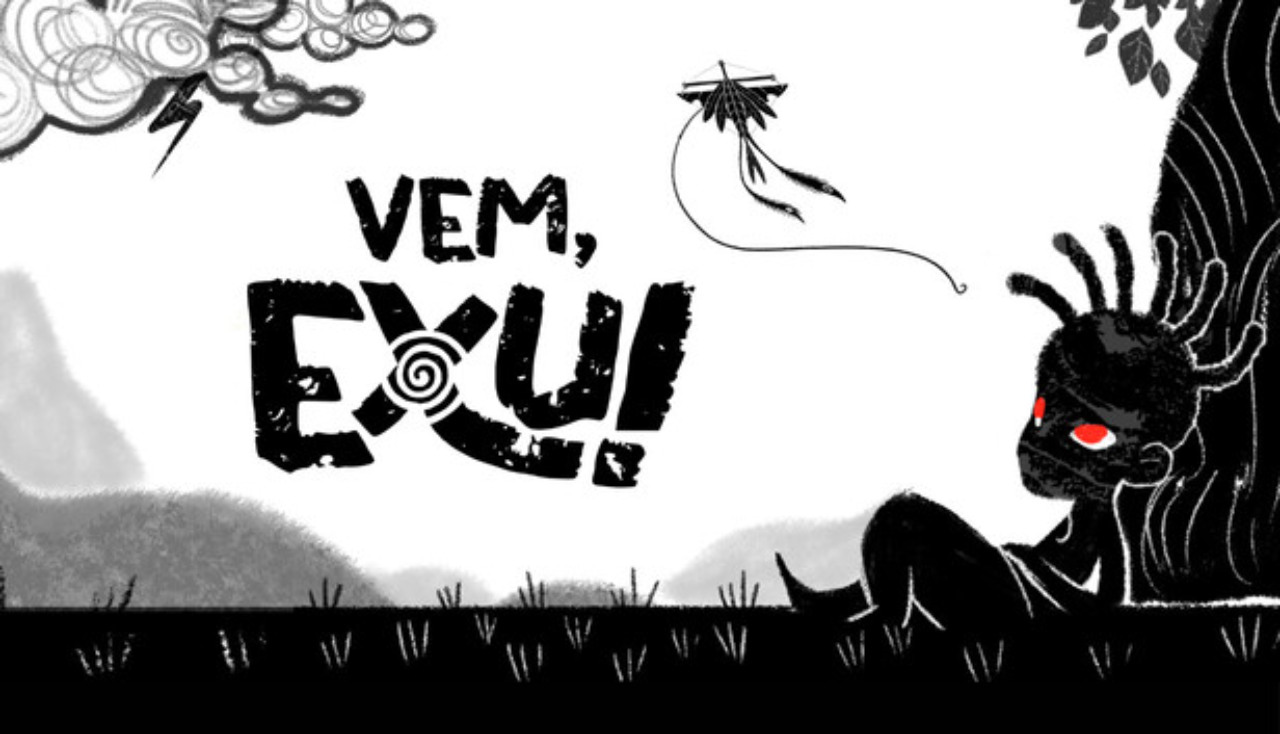
Vem, Exu is a short narrative experience about anger with Afro-Brazilian aesthetics. We spoke with its lead developer about the game’s origins and upcoming release.
In the vast sea of video game experiences, sometimes we forget what it is all for. As works of art, they can leave lingering emotions looked at through a new lens that we did not consider before. While some may be overtly abundant in its tutorials and instructions, others opt to engage with your senses. The use of no dialogue, for example, can be used to great effect. All of these thoughts crossed my mind while playing Vem, Exu. A demo of an upcoming game one day appeared in my inbox; I emailed its creator to know more about what it really is.
Anger is an emotion I have struggled with throughout my life. Occasionally when things didn’t go the way I wanted them to, I would go nonverbal. Unable to handle my feelings, the anger would boil over to catastrophic results. To this day, I am grateful for the people who have stuck around thanks to their tolerance. Then again, I was a kid. Fighting with other kids who would try to bully me. Vem, Exu hones in on this inexorable emotion that most of us seem to struggle with from the eyes of a young child.
Vem, Exu’s Origins
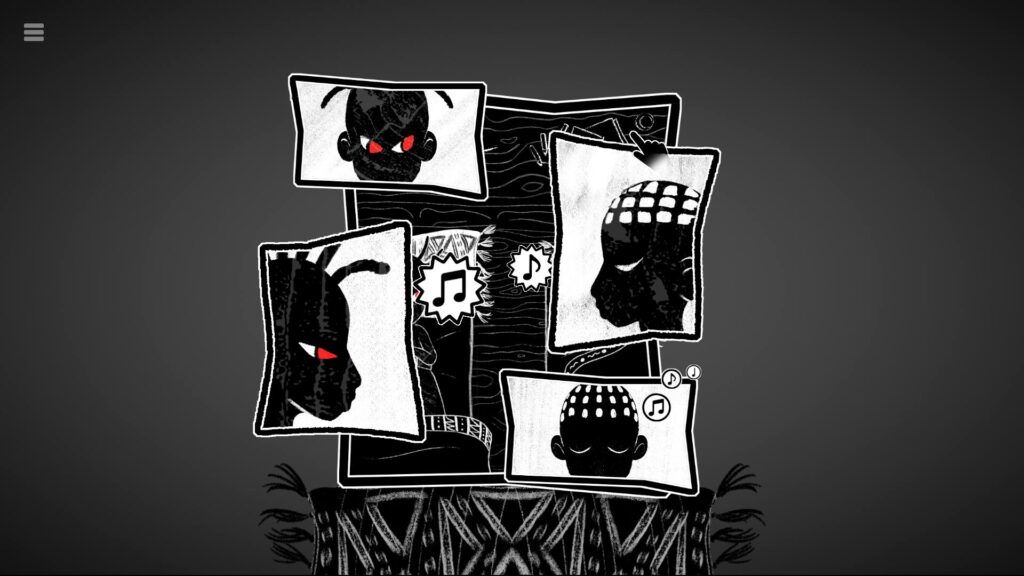
Developer Michael Feitosa from Tejo Studio explains the story behind Vem, Exu: “Seeing Exu’s anger through the eyes of a child is one of the main ideas behind the game (…) The game is based on Exu Ficou Com Medo, one of the stories from Contos de Exu, a book by playwright, actor, and researcher in the arts Rafael Semino.” As a software developer with 15 years of experience, this more artistic endeavor required a different approach, especially with the concept from the original author being described as “spiral time”: the idea that different moments of life can coexist and shape one another.
“Rather than simply retelling the story, we wanted players to feel it. We transformed emotions into interactions, using mechanics, sound, and visual storytelling instead of long passages of text. Our biggest inspirations were Florence, Brazilian cordel literature, woodcut prints, and Afro-Brazilian aesthetics,” he says. “Since then, we’ve been taking the prototype to schools, cultural events, and indie game showcases, gathering feedback from players of all ages. That process has shaped the game just as much as our original ideas.”
Looking Towards The Future
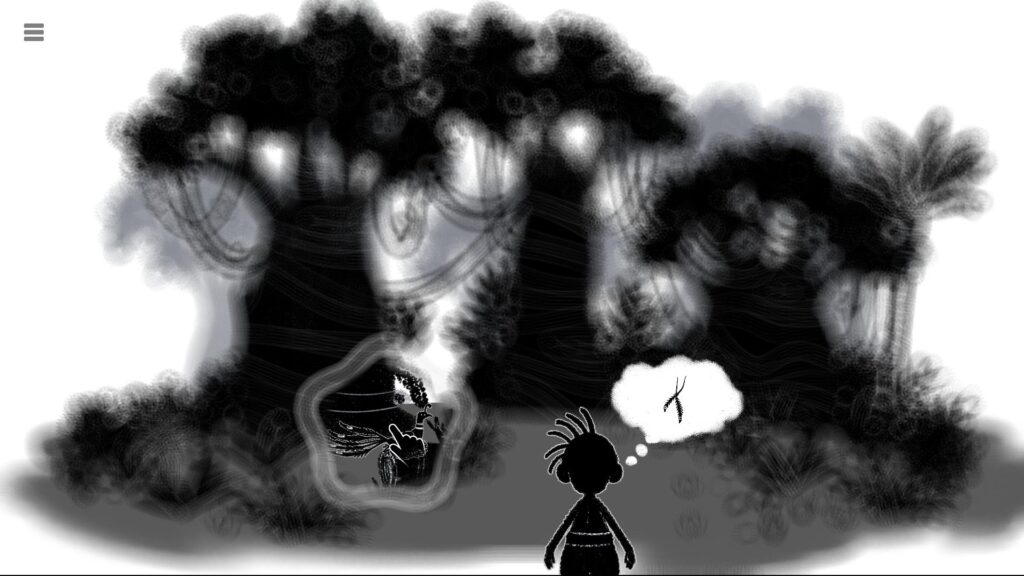
When playing the demo, these inspirations well up. The African sounds and art style are chief among them. The Steam page describes Vem, Exu as a 50-minute experience, with the current available demo running for about 15 minutes. It is decidedly more of a meditative video game than a complex role-playing game. Considering the background of how it came to be, it does not really need to be more than that, as the time I spent playing it filled me with motivation to write this piece, just as it did Michael: “When I read Rafael’s stories, I immediately felt they could become something unique in the language of games.”
Vem, Exu has a demo out now on Steam, and the full game is scheduled to release later this year.
