
Control Resonant explores what it means to go deeper into its cold, uncaring world, led by a protagonist who is all too eager to prove himself.
Laura Palmer’s body was found near a lake on February 24, 1989. It was wrapped in plastic. The autopsy revealed she died of blunt force trauma and severe blood loss. A popular high school student, she was just 17 years old. While this is the event that kickstarts the plot of seminal 1990 supernatural procedural Twin Peaks, it is also a very timely reminder of how cruel the real world is. When presented with a tragedy of this caliber, people refuse to engage with it, instead calling it a cosmic injustice. Amid this background, Control Resonant creates an uncaring universe that cannot be tamed. No matter how hard they try.
The Federal Bureau of Control (FBC) is a fictional government agency founded with the sole purpose of containing Altered World Events. In the so-called “Remedy Interconnected Universe,” this means that the strange case of Alan Wake being able to manifest a new reality out of thin air through his writing would be one such case. Jesse Faden herself, the protagonist of the first Control, found dozens of documents detailing the many paranatural cases over the years in the United States. If there is a throughline that binds all of these cases, it is how murder and chaos ensued every single time.
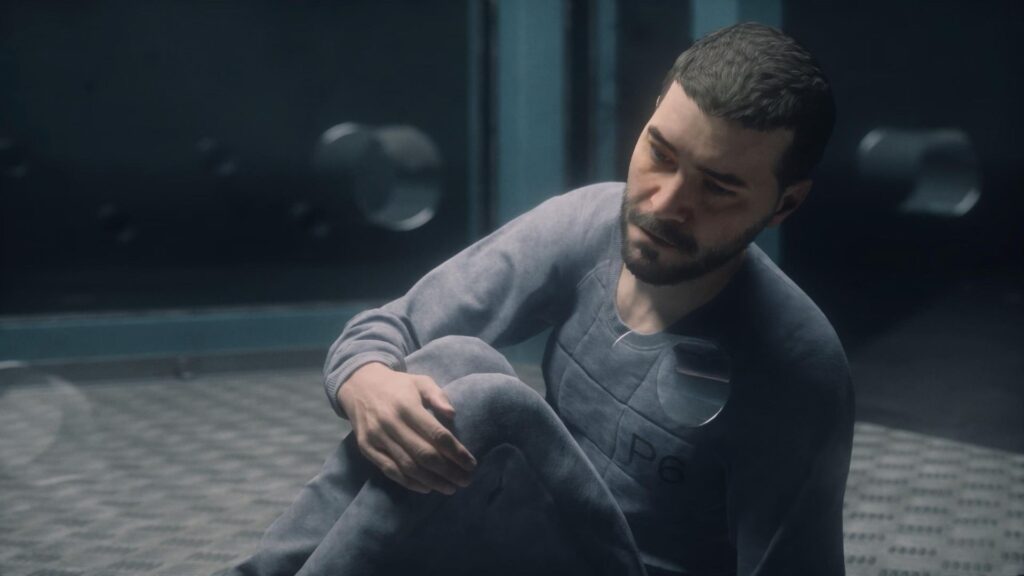
Always a serious matter, Control Resonant unflinchingly shows how the aftermath of a catastrophic event will traumatize people. Situated in a brutalist NYC building called the Oldest House, the FBC was caught unaware. Dylan Faden, our new reluctant hero, killed 536 agents after being possessed by an otherworldly entity called the Hiss. We are constantly reminded of this throughout his story by murmurs and even outright confrontations from people who lost someone because of him. In fairness, it is unfair to blame him, as he did not conjure this specter who took control and decimated this government agency. He is, however, an easy target to blame.
In the face of such loss, you would imagine the powers that be took a few more precautions when dealing with inexplicable entities. And yet, Control Resonant shows a clear case of negligence as the narrative moves forward. Instead of surrendering to the calamity of it all, they try to (that’s right) control everything around it to no avail. A new phenomenon called the Patterning emerges to kill people in horrific ways. Some would argue that it is the agents’ job to understand the nature of these beings. But it is Dylan, the first line of defense, who time and time again ends up traumatized by trying to help.
Philosopher Albert Camus argued that humanity’s relentless search for meaning in an apathetic world was absurd. So, if they revel in this incongruency, they may find comfort. Control Resonant walks a fine line of this argument. Our protagonist is clearly on the side of hope, although he does encounter his share of scarring situations that no normal person would come out of unscathed. This toll is evident when even he is at one point trapped inside an anomaly that simply will not let him escape.
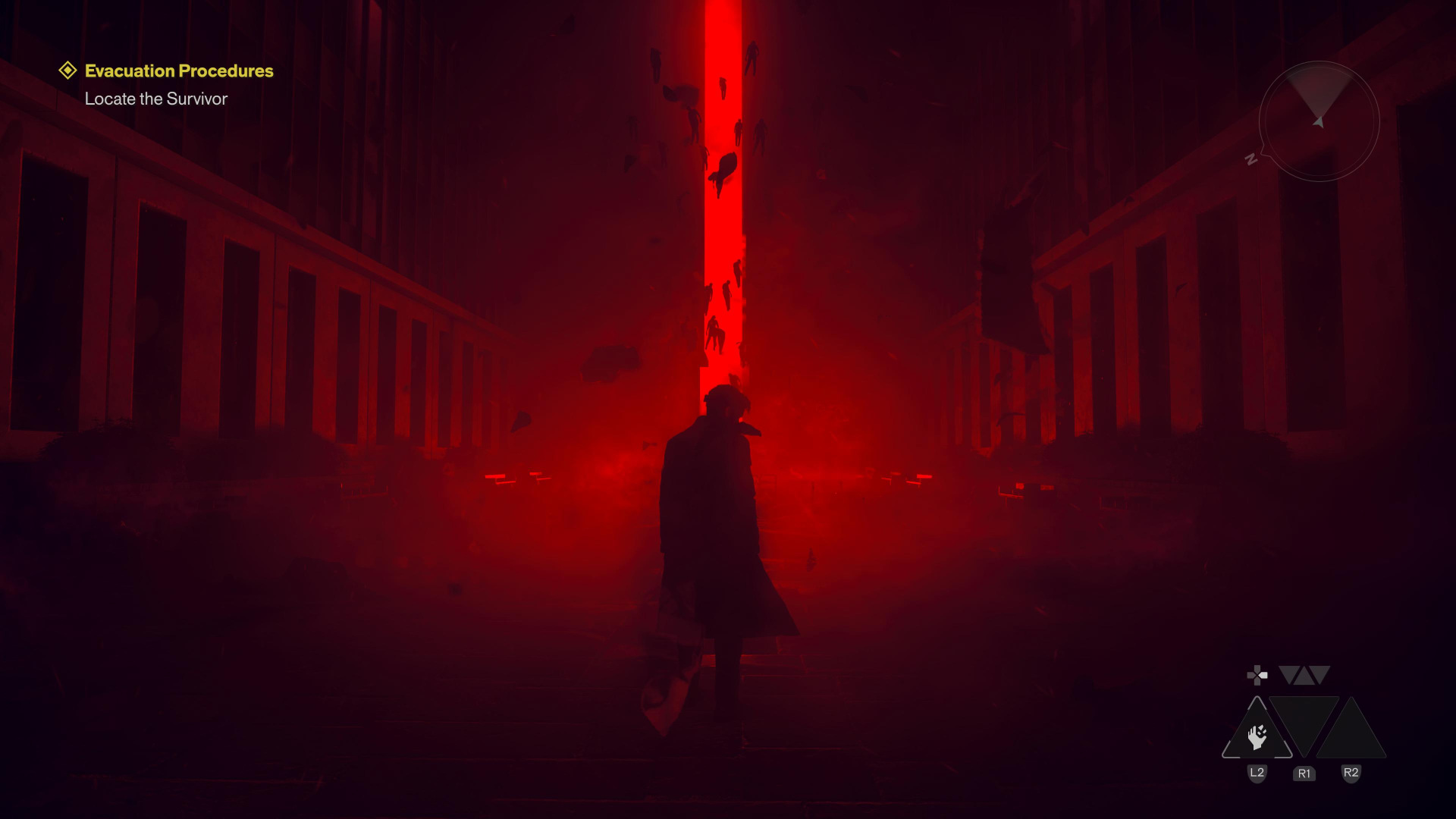
Not veering too deep into details, Dylan’s way out of a sinkhole is cut off once an investigation is finished. In constant conversation with Agent Zoe De Vera, the static only allows him to hear snippets of dialogue. Because these supernatural events screw with the space-time continuum, it makes it seem for a moment that he may be stuck in this place… forever. Evoking the nightmarish situation countless people who have been kidnapped or lost could relate to, finding a way back home is never easy. Aided by one poignant song that may cause a few tears to swell up, Dylan eventually resurfaces. As expected, his victory is short-lived.
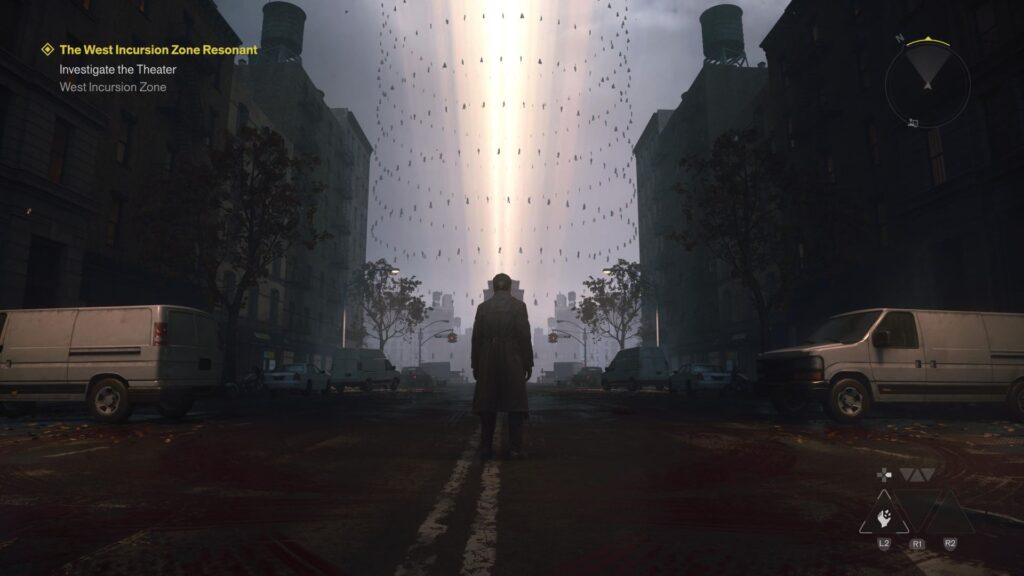
Not long after, through both the main and side quests, he inevitably finds more corpses, more loss. Voice recordings he finds along his exploration reveal an ever deeper descent into madness of these unprepared agents. He may have superpowers to gravity shift, though he is not omnipotent. It is here where Control Resonant finds its balance. Recreating a world that shrugs at our suffering, it too anthropomorphizes the entities that threaten to destroy it. If nothing has a rhyme or reason, then everything does. By trying so hard to understand the hostile phenomena around them, the FBC reveals its weakest trait: it is afraid of the unknown.
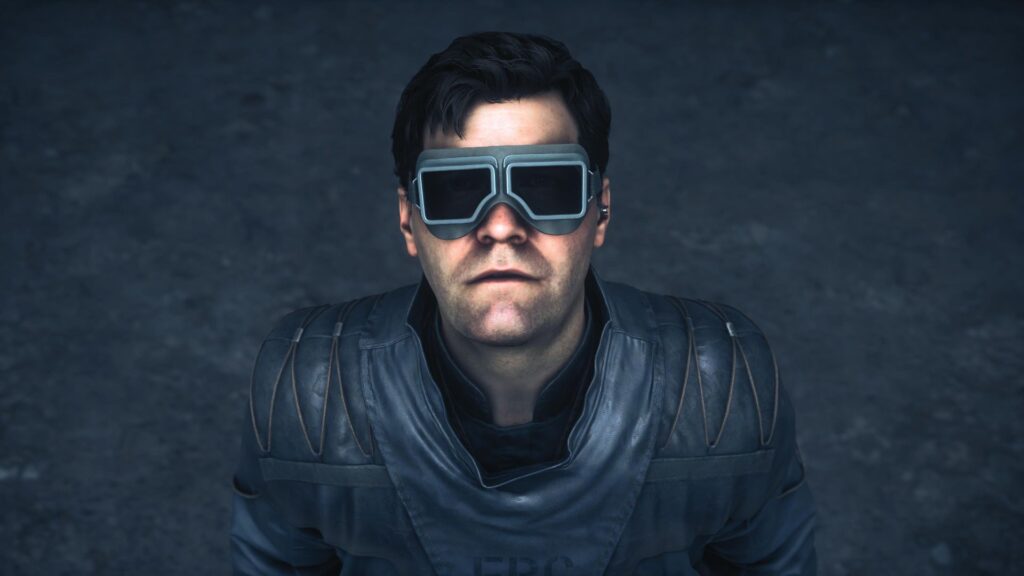
Hurricanes, earthquakes, and car accidents are but a few of the catastrophic events we have to deal with in our lives. I still remember when a storm completely blocked a street from our house, and my family had to rely on neighbors’ help to obtain food and water. We cannot know when the next tragedy will occur. We know that only by relying on others will we come out through the other side. Similarly, when the subject matter weighs heavily, Dylan relies on Zoe’s immaculate playlist or lighthearted banter. After all, holding on to hope sometimes means giving up control.
