
Fading Echo is out now, and we interviewed its developers to find out more about how they created its snappy combat and original storytelling.
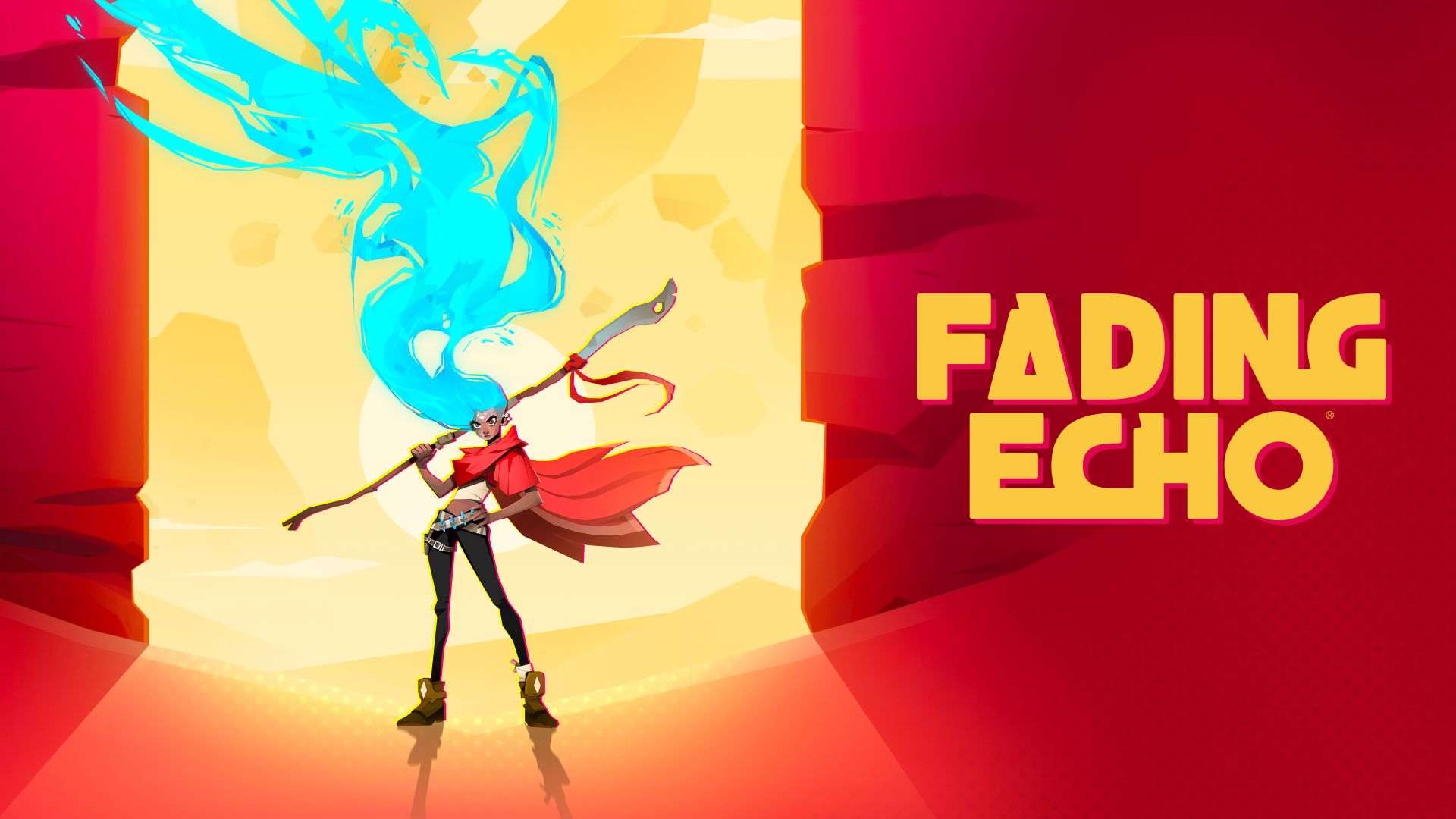
Fading Echo is a stylistic kind of video game. First created as a fully fledged tabletop adventure, it spent a long time nesting before blossoming into a complete interactive experience. Protagonist One is a young, brash, and chipper character who always looks on the bright side in this comic-book-inspired action adventure. She must rush through arid landscapes to defeat a corruption that threatens to destroy the fabric of reality. Out now on Steam and with PlayStation & Xbox ports on the way, we spoke with developer Emeteria about the origins of Fading Echo.
The preproduction phase of many games usually goes somewhat uniformly. A creative has an idea or concept worth looking into and iterates before it starts to take shape. In certain cases, the narrative is tacked on later without much thought. Not in Fading Echo’s case, though. As Studio Head Sylvain Sechi explains, the universe had already taken a form of its own long before any video game ambitions were even considered.
Tabletop Origins
“The world of Fading Echo actually began around eight years before we started developing the game. Emmanuel, our co-creator, had been building this tabletop RPG setting for years, developing its history, characters, and mythology long before anyone thought about turning it into a video game,” he explains.
“Once we realized there was something truly special there, the studio Emeteria was founded to bring that universe to life. The game itself has now been in development for several years, starting with a long prototyping phase where we focused almost entirely on one question: how could movement become the most enjoyable part of the experience?”
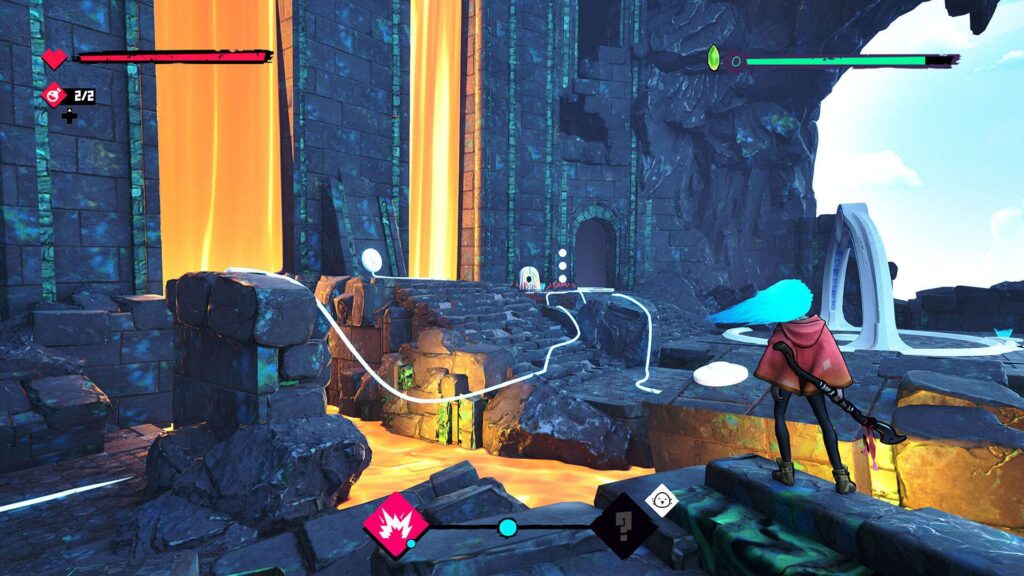
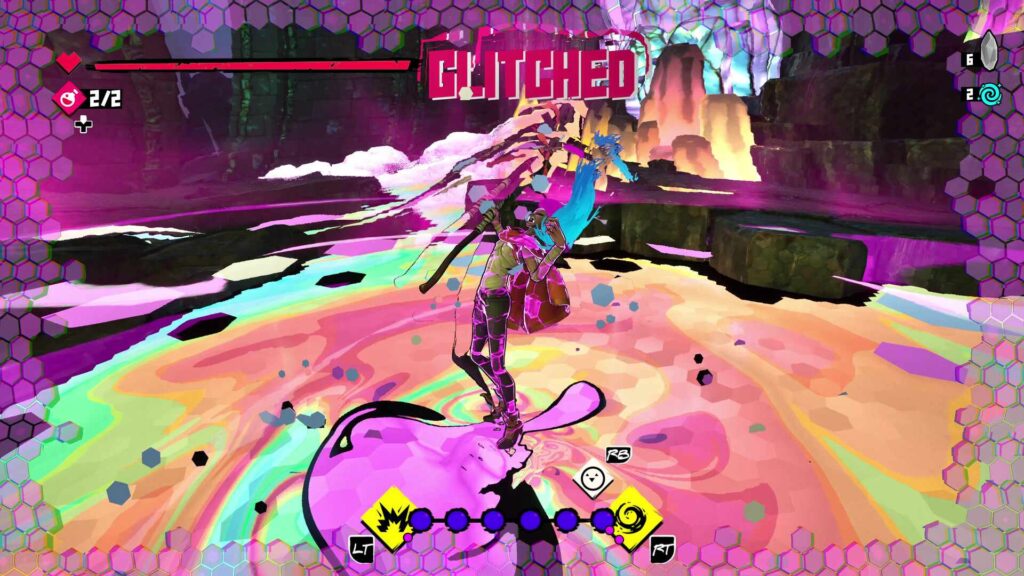
Having played it extensively, this focus on both the narrative element and flow of movement pays off in dividends. One can eventually turn into a sentient blob of water, complete with a cute smiley face to go with it. If there is one thing Fading Echo boasts, it is charm. Regardless, the movement feels fluid to the point that every puzzle and combat element requires getting the most out of this mechanic.
What Makes A Game Great
As Sylvain goes more in-depth, “We started with a design philosophy. Very early on, we adopted a simple mantra: easy to learn, smart to master. We didn’t want dozens of disconnected mechanics. Instead, we wanted a small set of systems that naturally interact with one another. Once water became the heart of the experience, everything else followed.”
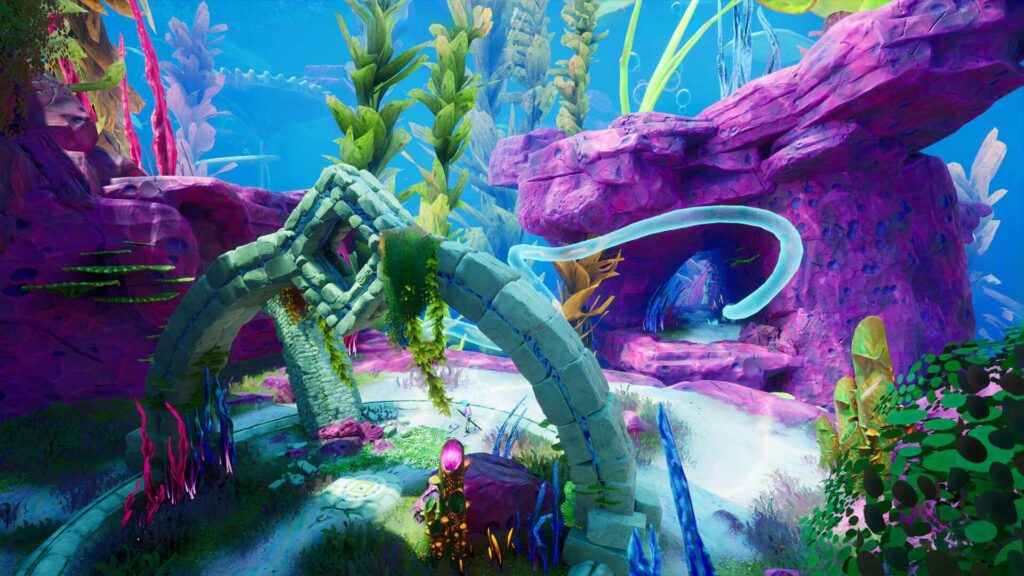
This fundamental approach is part of Fading Echo as a whole. “Movement, combat, exploration, and puzzles all grew from the same mechanics. If water reacts with lava, toxic waste, or corruption during combat, those same interactions should also create opportunities while exploring the world. That approach encourages experimentation. We don’t want players memorizing solutions; we want them asking, “What happens if I try this?” and being rewarded for their curiosity.”
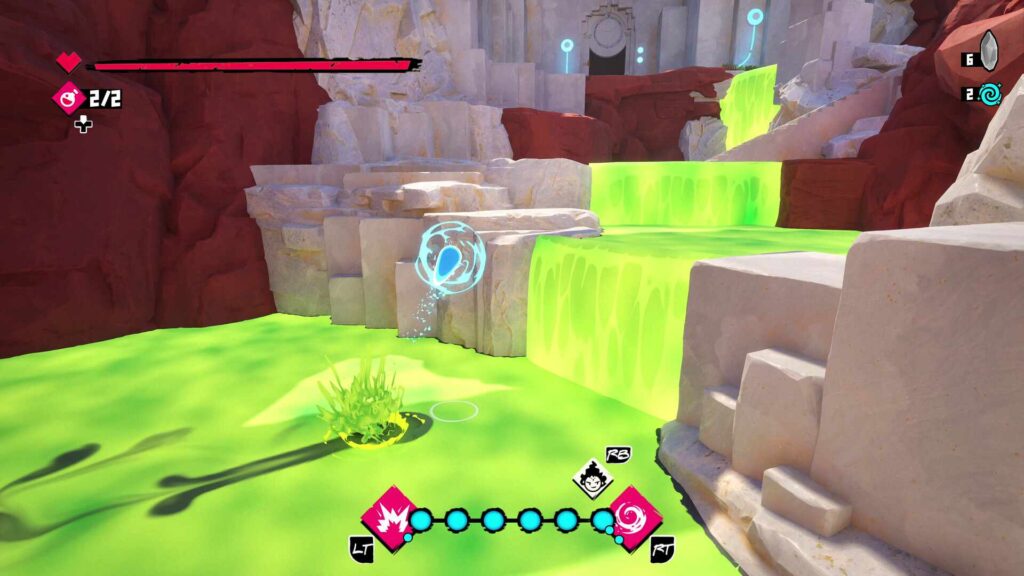
A key aspect of combat is combining the four elements the game offers to deadly results against enemies. Fire, water, toxic waste, and Paradox corruption are all abilities that both solve puzzles and damage foes greatly. “We spent a surprising amount of time refining movement because it’s the one thing players do every second. If moving through the world isn’t enjoyable, nothing else really matters.”
“From there, combat evolved naturally. Instead of giving players an overwhelming number of abilities, we focused on making every mechanic versatile. Transforming into water isn’t just useful for traversal; it also changes the way you approach combat, positioning, and environmental interactions. What keeps combat interesting isn’t the sheer number of skills. It’s how they combine. The more players experiment, the more possibilities they discover for themselves.”
Comic Book Vibes
Another eye-catching feature of Fading Echo is its cutscenes. Every angle captures the intent perfectly. Some characters stand in place while the world’s striking color palette and comic-book dialogue boxes take protagonism. This was always the plan, as Sylvain comments, “From the beginning, we worked very closely with every creative discipline, including animation and voice acting. We shared the world bible, discussed the characters in depth, and even involved our actors early enough that they could influence how those characters evolved on screen.”
Every scene having a targeted purpose shows throughout the game. Because they are well-paced, reaching a new one is delightful. “Our goal was never to create spectacular cutscenes for their own sake. We wanted every cinematic to reveal something meaningful about the people, their relationships, or the world around them, while remaining a natural extension of the adventure players were experiencing.”
Learning more about its authentic cast, it is no surprise then that One and her group of misfits took a life of their own. “One has always been at the heart of the story, and many of the key characters around her were already part of the original setting. What changed wasn’t who they were, but how we chose to tell their stories in an interactive medium. As development progressed, we kept refining their relationships, dialogue, and individual personalities. Working with our writer, Jasmine Bhullar, and the actors also brought new ideas and nuances that helped make the characters feel even more authentic.”
It’s The End Of The World
There is a larger struggle regarding the world-ending threat in the game’s narrative, but that does not stop the cast from having brief moments of respite. “Even though Fading Echo takes place in a world that’s struggling to survive, we never wanted it to feel relentlessly serious. Life is rarely like that. Even during difficult moments, people still laugh, tease one another, and find unexpected moments of warmth. We wanted the game to reflect that same balance.”
A great example of such a character interaction is a critter named Bob, whose snarky remarks lighten up the journey. “Characters like Bob naturally bring a lighter energy to the adventure; he’s probably the only immortal creature who genuinely enjoys being hit, which makes him an unexpectedly enthusiastic training partner, but the humor also comes from conversations, small interactions, and the personalities of the people One meets along the way.”
Revealing a bit of the studio’s philosophy, Sylvain remarks, “That’s one of my favorite parts of game development. Characters begin as words on a page, but little by little they become people. (…) Fading Echo explores themes like family, legacy, and hope, but we never wanted those ideas to exist only as concepts. They live through One, through Rahne, through Maddock, and through the choices each of them has made.”
Fading Echo: Making A Splash
As a final insight into the game’s development, he goes into how much player feedback helped shape the game itself. “We believe that watching players is often more valuable than asking them questions afterward. You immediately see where they’re smiling, where they’re confused, and where something doesn’t feel as intuitive as you expected.”
With such a rich world and plethora of curious combos to play with, it is a promising adventure full of heart. A parting message from Sylvain: “Ultimately, we’d love Fading Echo to become one of those games players remember years after they’ve finished it. Every gamer has experiences that stay with them long after the credits roll, becoming part of how they remember their own journey as a player. If Fading Echo can create even a small part of that feeling, we’ll be incredibly proud.”
Fading Echo is out now on Steam, with PlayStation and Xbox ports on the way.
