
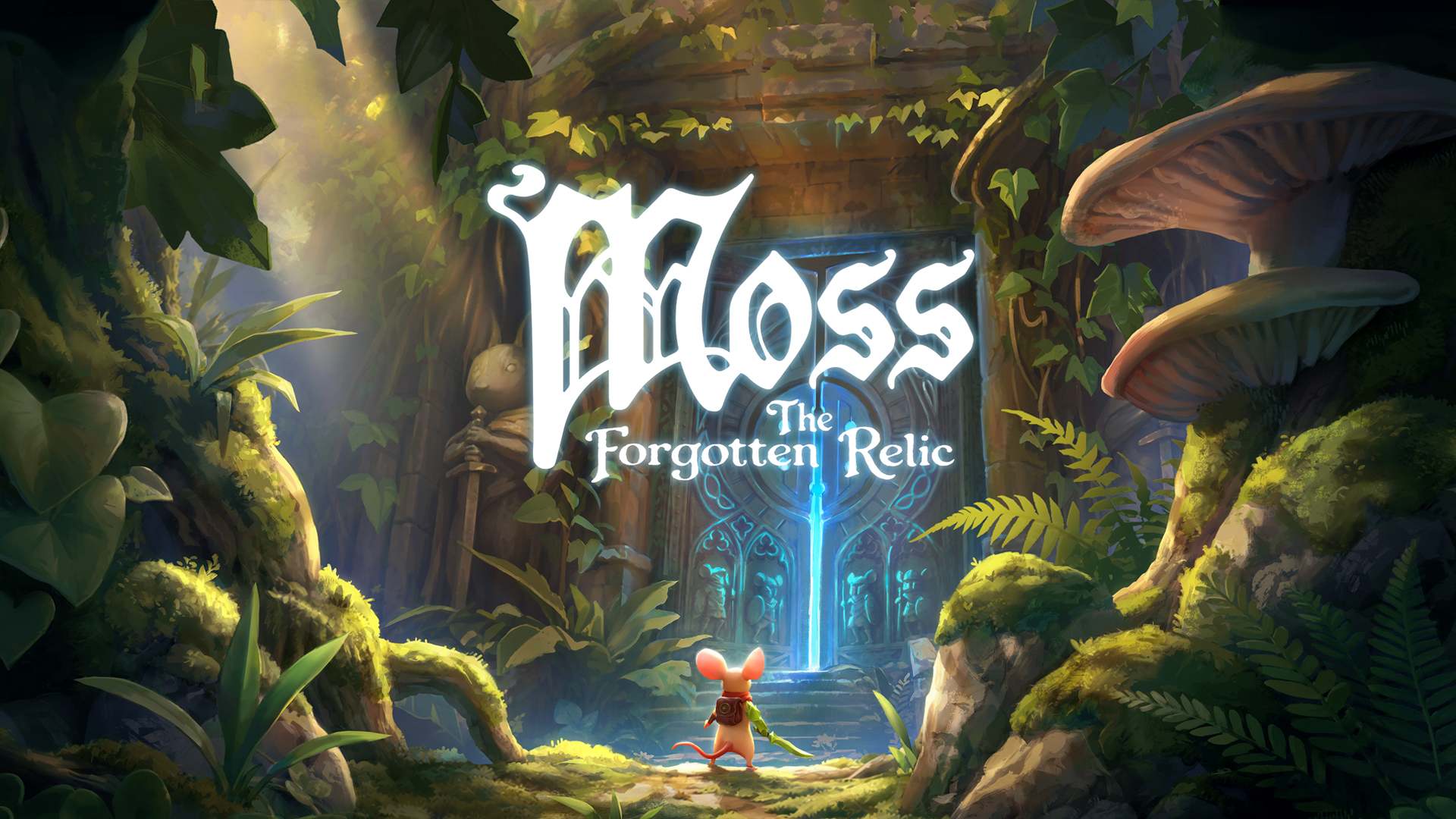
Moss: The Forgotten Relic brings its magical storytelling to new platforms, allowing players everywhere to discover its endearing mouse knight Quill.
In the hallowed halls of a Victorian library, there exists a magic book. One that, when opened, immerses readers with its captivating fairytale. A charismatic mouse knight who is fighting with all her might requires your help. Its gentle narrator will guide you every step of the way. Moss: The Forgotten Relic wondrously tells an emotional adventure that taps into classical fantasy tales.
Originally released for virtual reality platforms, Moss: The Forgotten Relic is a successful adaptation into a flatscreen perspective. Reaching over one million copies sold, it endeared players to its expressive protagonist Quill in the process. However, where the feeling of being “inside a game” helped VR enthusiasts enter the world of Moss tangibly, the question remained. Would Polyarc Games be able to keep the magic intact in the transition? The answer is a resounding yes.
Hello, dear Reader
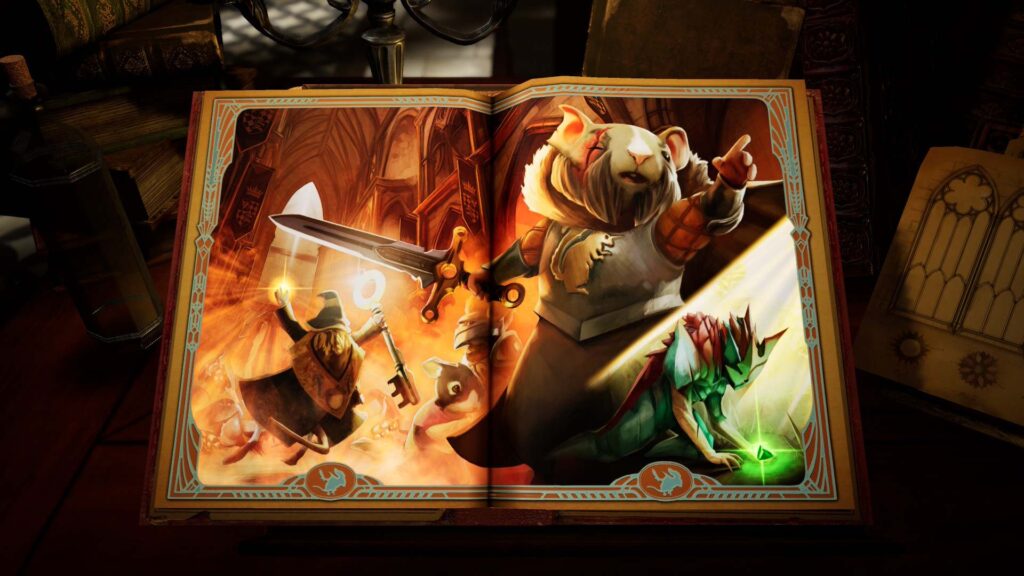
The story of Moss features Book 1, Book 2, and a DLC with extra content. It is all accounted for in Moss: The Forgotten Relic. Quill is a mouse adventurer who is embroiled in saving the world after a fated event upends her life. Dubbed the Cinder Night, an evil force known as the Arcane brought untold havoc to the peaceful land of Moss.
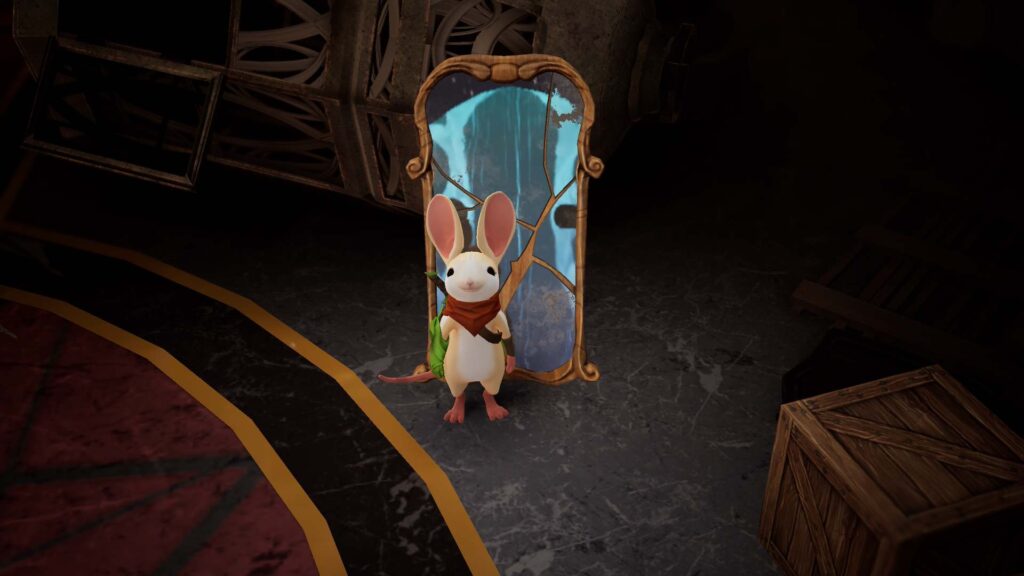
Eventually becoming a peppy knight to face the danger, you as the player also have a role in this tale. Known as The Reader, your existence as a floating mask gives a sense of presence and vested interest in the stakes of this narrative. Most importantly, it allows you to directly engage with Quill as a character.
One of the main selling points is interacting with Quill in different ways. Because she looks straight at you, a relationship begins to develop from the start. Petting her, high-fiving after a difficult fight, or engaging with enemies while controlling her, the concessions made in this new version work wonders. Learning more about her through her acts of courage, the way she charmingly expresses herself through American Sign Language, is worth witnessing on its own.
Using the right stick to make a blue orb appear, it can interact with the environment. Because every diorama-style level is heavily reliant on moving blocks as puzzles, the orb locks into them for ease of use. Platforming never requires a terribly precise measure of Quill’s movement, to its benefit. Furthermore, the angles chosen from where to show the player’s perspective work incredibly well.
Meaningful Improvements
On Nintendo Switch 1 & 2, using the touchscreen while playing handheld aids in the immersion even further. Manually turning the pages of the book of Moss with your fingers is a special kind of feeling. As mentioned, managing the blocks or freezing enemies by touching them involves a level of strategy not even the VR version had. Combat is simple but effective. Dodging and swinging the sword while intervening as the dear reader offers a unique gameplay style. Some compromises are clear, but other features are brand new.
Newly designed cutscenes add to the thoughtful cinematography. Certain bosses much bigger than Quill inspire awe in combat. Each point of view makes this novel version have its exclusive moments of excitement and intimacy. When Quill meets daring new characters and in moments of distress, the camera pushes in to stir emotions further. As it cannot be manipulated, it knows exactly when and where to position itself to get out of players’ way.
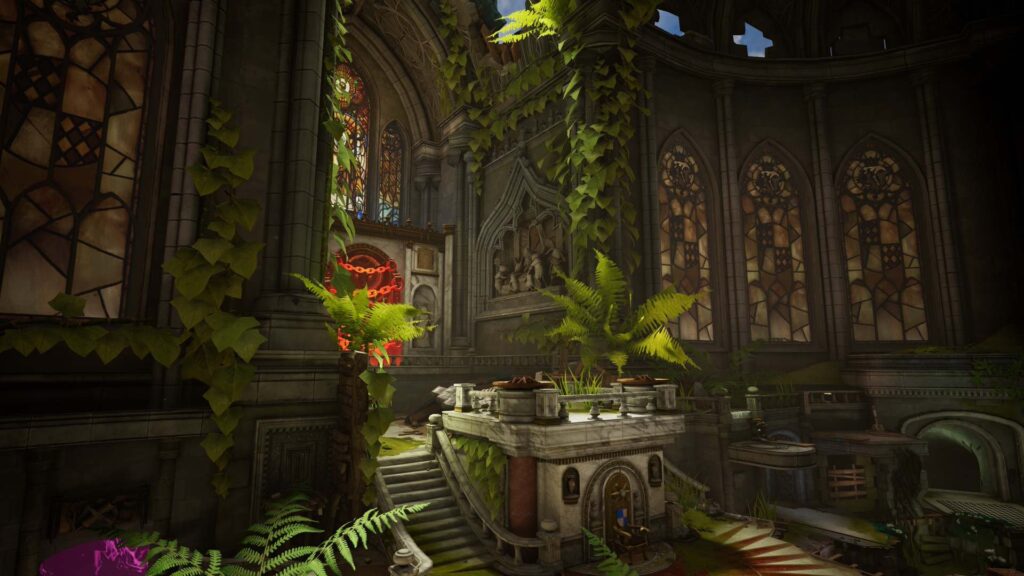
The graphics themselves look vibrant. Because every lush biome takes a page from fantastical landscapes, staring at them in awe will happen more than once. Appreciating a sprawling castle in the distance only to slowly approach it with every turning of the page is exhilarating. Finally reaching the final acts of both chapters entails a riveting conclusion to one heartfelt fantasy narrative.
Everyone’s Welcome
Jason Graves’ serene soundtrack might mislead some players into thinking there would be no combat, at least in the beginning. For whoever wants to experience a more peaceful 6 to 8 hour playthrough (depending on earning every collectible), the choice to skip combat encounters is available. Considering there are no difficulty settings, this is a welcome option. Although puzzles are not difficult by any stretch of the imagination, some of them might take some time for less trained minds. Thankfully, Quill points out which pillar to move to help out.
Now that everyone can play Moss: The Forgotten Relic, what I am most excited about is seeing people fall in love with Quill just as much as I, and many others, did. People prone to motion sickness or disinterest in VR can now learn why she is such a beloved character. This reimagined perspective not only allows for practically everyone to play but also to spark that childlike joy that is so well captured in this wondrous tale.
Conclusion – Moss: The Forgotten Relic
Concessions had to be made to deliver this celebrated game to new platforms. Perhaps, if it was built from the ground up for a flatscreen perspective, the puzzles and combat might have been more intricate. But that is beside the point. What worked in the game’s original release stays intact. Moss: The Forgotten Relic takes players on a magical journey carried by its endearing protagonist Quill. Evoking children’s fairy tale books in the best of ways, it feels like the definitive way for kids and adults to experience such a rich story.
Reviewed for Nintendo Switch 2. Also available on Nintendo Switch, PlayStation 5, Xbox One, Xbox Series S|X, and PC via Steam.
A key was provided for the purposes of this review.
Developer: Polyarc Games, Blackbird Interactive
Publisher: Polyarc Games
Release Date: July 26, 2026
Pros:
- Easy but ingenious puzzles
- Perfect for younger audiences
- Fantasy-appropriate soundtrack
- Quill is one of the best characters in gaming
- Fairytale narration and aesthetic warm the heart
Cons:
- Its simplicity makes for a low-stakes adventure
-
Great
