

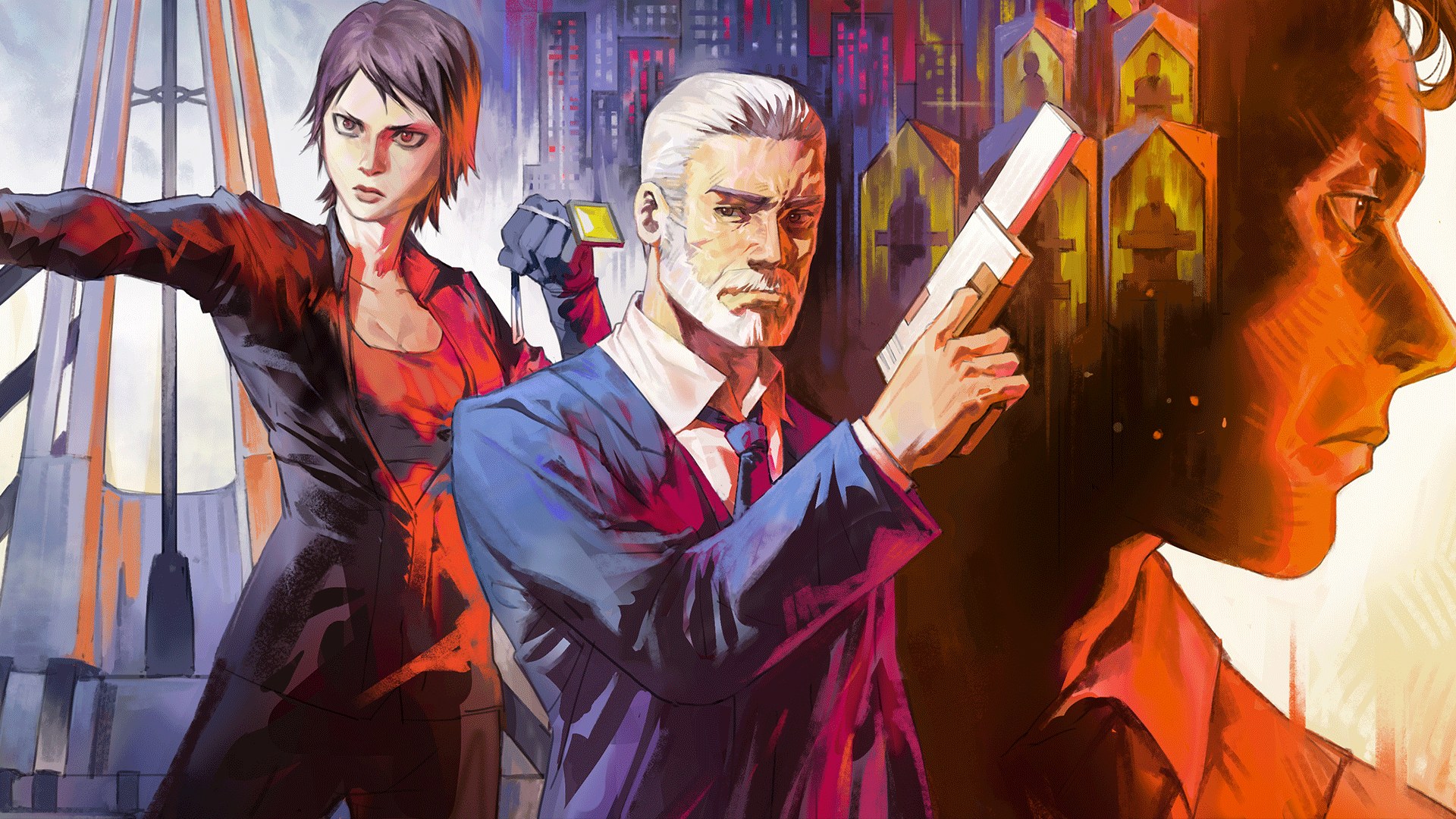
I remember when GoldenEye 007 was released on Nintendo 64. I mean, I say that, but I was like seven at the time, so I remember bits and pieces of it. That was a magical age where you secretly hated everybody around you, but since all the people who lived nearby had one game everybody wanted to play, you all hung out in each other’s bedrooms. This usually meant passing controllers and getting temperamental because you were seven. You didn’t know any better.
It’s weird to think we might need a nostalgia vehicle for GoldenEye 007; it’s fairly accessible now, but Agent 64: Spies Never Die has entered the fray anyway. Regardless, there is nothing wrong with wanting to pay homage to your childhood; I love the SEGA collection, you know, the one with the bedroom menu select, so if done right, I’m not immune. Here we have a fairly successful vehicle for reminiscing, though at times maybe too successful. Frustratingly successful, I would say, but not something you will not enjoy if you have those core memories to pull from.
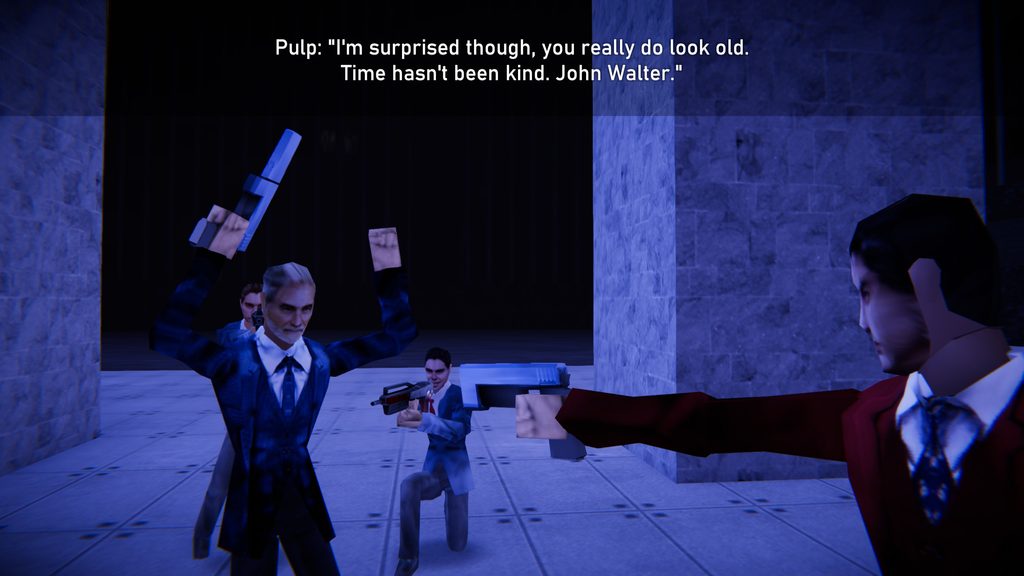
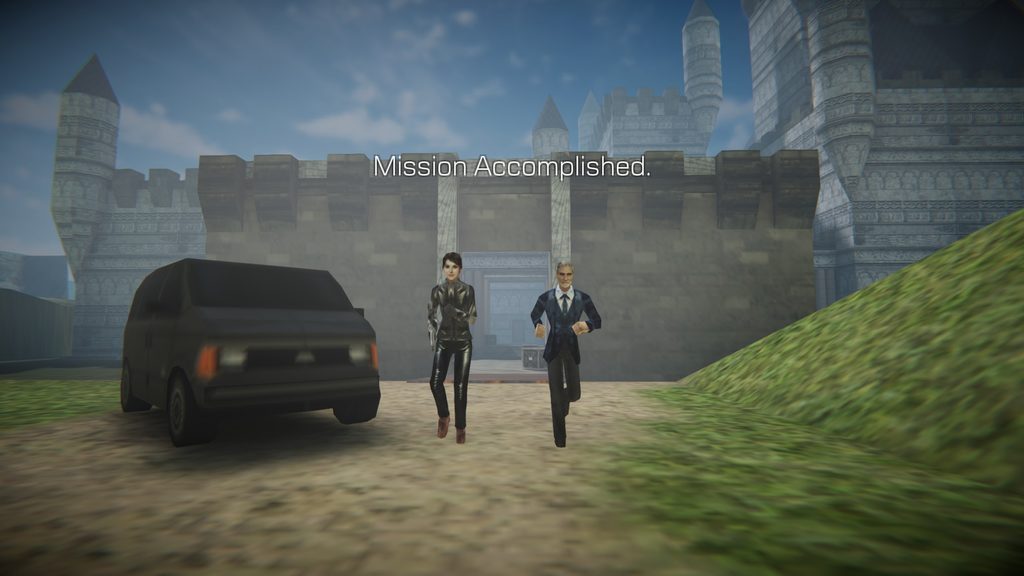
Agent 64: Spies Never Die is literally pulling from GoldenEye in everything it does. The graphics are blocky and retro; levels lack detail, with clean locations and reused assets, and gunplay is mostly point-and-shoot, and the game will adjust the angle. If you have played the 1997 classic, all of that will be familiar to you. The game is fairly easy to get used to, so I don’t think it precludes anybody from having a meaningful experience with it. As stated, I do think it invokes a very specific feeling, one that might be harder to tap into for others.
This nostalgia is at times painfully apparent and honestly hurts the game on the other end. Everybody knows the pause menu music from GoldenEye. There have been many TikToks labeled ‘The GoldenEye devs didn’t need to go THIS hard’ talking about the unforgettable tune. There is a track that invokes this beat nearly identically. The soundtrack has softer tones for moving and harder beats for when the shootouts begin, which I enjoyed, but I constantly felt an overlap. Like, I get what the devs were aiming for, but there were moments that it slipped past homage into lacking an identity of its own.
The game has a story mode that is at least an attempt at a unique narrative, which could have been bolstered by the supporting elements drawing more individuality. It’s weird because I might say the narrative is a generic replacement for 007, but it’s playing back to an era where all stories existed as a vague connector for set pieces. In this regard, it does the job it sets out to do. What I find funnier. Actually, I laughed incredibly hard at this. The main character, an older spy who I assume is Agent 64, though he has a name too, is clearly just the most interesting man in the world. You know, the dude from the Dos Equis commercial. I have no idea how we got here, but I love it; I think it’s the best thing ever.
Level design is also enjoyable, though the actual story is punishing, and this is where we start to need to discuss the issues with retro-inspired games. The levels can be short, but damage will really hurt. Enemies and your character have that wavy-arm sort of aim that makes multiple bullets miss. This sets up a rapid pace that requires ducking and weaving so the bullets go around you, but it is shockingly easy to avoid them. Which is good, because typically four hits will down you.
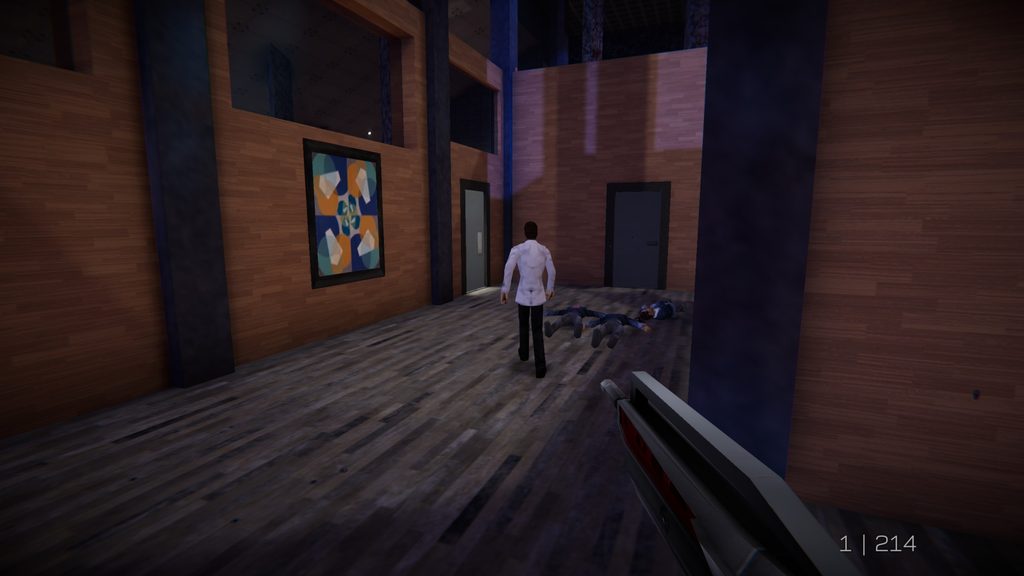
If you die, regardless of how far you made it, there are no checkpoints, so you will respawn at the start of the stage and have to do it ALL again. All encounters are set in stone, or rather, they all spawn in the same locations, so it becomes a memorization game to run through the stage and hit enemies before they hit you in the places you know. You can kind of skip enemies in a bathroom, for instance, but when the shooting starts, they could run in, so it’s best to kick down the door and start blasting. The loop is fun for the classic gameplay of it all, but it can be very frustrating when some sequences involve every enemy in an area rushing you fast, knocking your health out before you even know it.
The AI is also that painful level of old-school smart but not smart—just functionally programmed with basic prompts. These prompts tend to start with always knowing where you, the player, are. This includes coming through doors with their gun sticking through the door right at you because they know your exact position. They can also hit you like this while you can’t hit them. When a shot goes off in a crowded area, all the enemies from the surrounding space will probably respond, which is why having to do everything again remains annoying. There can be many steps to complete as well. At least the option would have been nice.
The second of these issues is that, in pursuit of playing like the classic game, the bane of all of our existences, escort missions return just as horrible as I remember them being. Save the scientists before they get bullets in their heads and do that jerky dance of death. Or, protect your daughter while she hacks what we thought was the pinnacle of a computer back in the 90s. Not the hardest tasks once you get it, but she takes like three hits to collapse and the operation to fail. There are also a few twist stages where you don’t really want to engage in combat that are also fairly annoying in their structure. In summation, shooting up the place is fun; protecting or keeping a low profile is nowhere near as fun.
None of this really matters, though, in the grand scheme of things. The story is the story, but all our fondest memories are in the multiplayer, where friendships were ended one bullet at a time! The cool thing is that, while the campaign doesn’t feel like one big tutorial, many of the levels serve as full multiplayer maps to shoot up other players. There is a full online multiplayer mode, or you can play with split-screen on the same console for every single component of the experience, which was the right decision. You also have countless bot options, so if you can’t find a match, there are still ways to get into the fight.
I was also not expecting the multiplayer to be as robust as it is, but more importantly, I love how much of the content is unlockable. This is something I was just discussing with a friend: that so often you get everything handed to you, with additional content only being DLC, nothing interesting to earn anymore. The first mission has a time limit for completion and, if you manage to do so, big head mode. That’s a classic mode that is represented very well here.
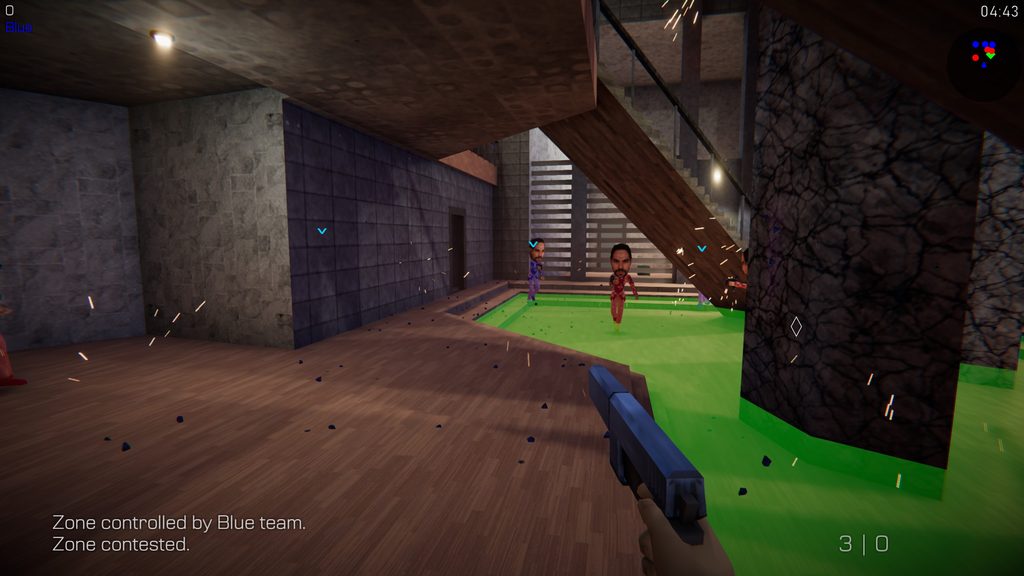
There are also extra modes and challenges that earn you new multiplayer modes like King of the Hill. I actually loved this mode because of how varied it is. Every aspect of the map can have the hill, so sometimes you’re fighting in a lobby with enemies rushing you from a staircase, or down the hallway as you compete over this massive space. Other times, you are battling in a very tiny office, with windows on every side. I should point out that there is friendly fire in these modes, so imagine how frantic these moments get. So, completing side content gets you more content, which then makes the multiplayer more varied, which makes everything more worthwhile.
There is also a fairly varied gun selection, with about two guns for every type, such as a like a tompson style machine gun alongside a more science-fiction type, or a pistol and revolver to swap between as well. The aim style can be frustrating, though. There are times when I was blasting away at an enemy only to feel like Marvin had shot every round right past Jules and Vincent, not divine intervention. You can also stick your gun right through an enemy, thinking you are shooting them, only to find out moments later, as you drop dead, that you were indeed missing them. These textural issues are supposed to be part of the charm; I get that, but it is unavoidable that they will gnaw at you.
One of the things the game does add to the formula is a weird aim mechanic, and that might be the thing that works the least for me. It largely works to target things like locks, but you can aim at enemies at long range. What it does is pull up a reticle, bringing the most interesting man in the world to a stop, then putting you into a clunky targeting mode. Honestly, they could have just made the targeting of locks manual, since you can do that anyway. In combat, this is the fastest way to get yourself killed, so there is that.
What I did enjoy was the secondary abilities you get during the story as part of the checklist of completion tasks you need to go through. Shooting everybody is the game, but to actually beat each level, you need to do things like setting explosives in a server room or finding a briefcase. It’s a minor change of pace, mind you, but it does feel like the unique inclusion in the experience that sets it apart.
Verdict
While I played GoldenEye 007 on my purple, see-through Nintendo 64 back in my youth, I will admit I don’t really have an attachment to it. You know what else came out that same year? Final Fantasy VII, and that changed my life forever. Agent 64: Spies Never Die, however, did successfully manage to remind me why I subjected myself to every kid on my block for as long as I did. It’s an addictive loop, even at its most frustrating. There are places I feel this game could have evolved the formula or resolved the issues, but I get the direction, and I respect it. My biggest issue, and maybe this is unfair, is that the game tries too hard to feel like the classic game and not enough to set itself apart. It is fun, though, and in the end, who could ask for more?
Remember to follow us on Twitter, Facebook, and Bluesky to keep up to date on everything we have going on!
Reviewed on PC
*A code was provided by Replicant D6 for the purposes of this review.
Developer/Publisher: Replicant D6
Release Date: August 11, 2026
Pros
+Well crafted GoldenEye homage
+Fun Multiplayer modes
+Plenty to unlock
+Enjoyable story mode
Cons
-Sometimes frustratingly punishing
-Some gunplay gripes
-Maybe plays it TOO close to the source material
-
Agent 64: Spies Never Die
