


Mixtape is a video game that intimately explores the lives of unruly teenagers. It helped me recontextualize my past in the process.
My parents divorced when I was 14. They did not tell me. I found the divorce papers randomly in a drawer. I had lived a very sheltered life up until that point. This became a very pivotal moment for me. As an upper-middle-class, selfish, and nerdy Mexican who always had every video game he wanted, this crack in my reality started a series of changes I would not be fully aware of until later. And at 17, I did. I went to Ottawa, Canada, for a semester that resulted in becoming a formative experience. Mixtape shows protagonist Stacey Rockford as a dissatisfied teenager, willing to take the plunge for an uncertain future.
Tuning Into The Mixtape

Let me start by prefacing this by saying that I do not condone underage drinking. In fact, I regret partaking in it. I now know of the lasting damage it leaves on an underdeveloped mind. But I didn’t quite care about any of that at that point in my life. At the time, I just wanted to disappear. Mixtape is a game that takes a snapshot of rebellious teenagers on their last day together. Stacey is leaving for New York for new opportunities, leaving a friend-sized hole in her wake. Slater, the cool musician, and Cassandra, the one dealing with an authoritative figure, plan to make the most of the occasion. Alcohol is the excuse that fuels their primary goal.
Through embellished and outlandish memories, Mixtape drives the point home of how precious those fleeting moments are. Before leaving for Canada, my parents threw me a quinceañera, which was extremely unconventional for a man to do. Quinceañeras are reserved for women who are, in an archaic line of thinking, “introduced to society.” I had a blast. There was a thunderstorm that night. The lights went off several times. That did not stop wild teenagers from dancing and drinking. Similarly, Mixtape has a very apt scene at a party where they’re chanting “Shot, shot, shot!” at someone binging beers. What a callback.
Facing Truths
Much like the fake lives some people display on social media, I was hurting inside. Both my parents were there, acting. But I knew the truth. And so I got on a plane. I did not stop to think about my friends, although I did miss them once I was there. I had never experienced such cold in my life. That January was dark. Stacey and her friends keep their cool in every scene of the game. I was a nervous wreck. While not outright going to eat in the bathroom as some coming-of-age narratives do, I was quite lonely at school.
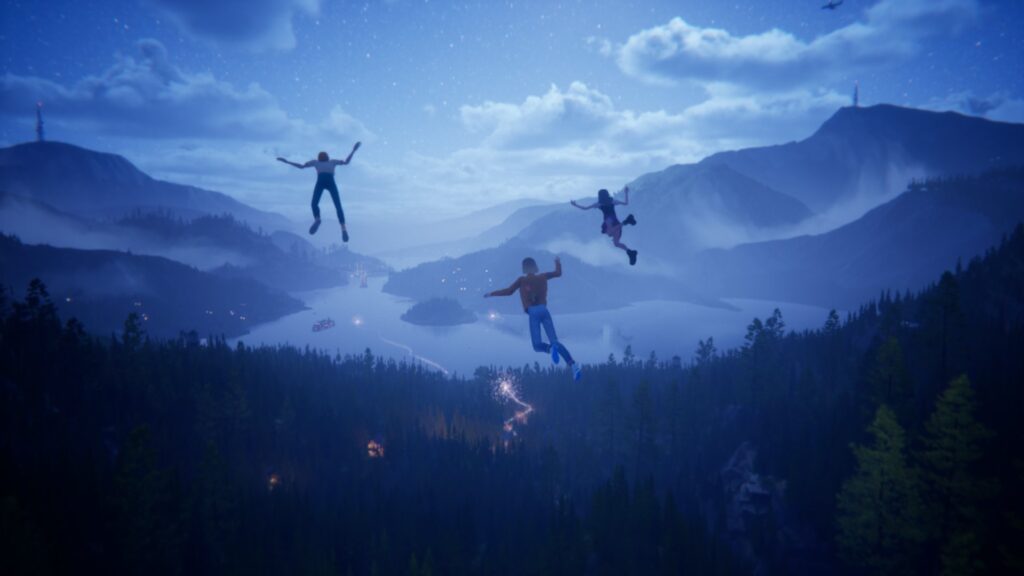
Exposing ourselves to situations outside our comfort zone does help change our attitudes. Although I had been studying English all my life up until that point, I had not really spoken it every day. Things got better, as they usually do. I took Jiu-Jitsu and piano classes after school. I made a few friends. Oh, and I—arguably—learned how to ski. There is even a YouTube video of a girl twerking on me at a party (you can spot me at :52). It was a wild era.
My host family was fundamental in helping me see things differently. The host father had previously divorced, and his previous family all hung out with his current one. In Mexican society, divorce is basically the kiss of death. At an age where everything seems catastrophic, I thought things would never be the same. Seeing other societies simply accept it as a part of life healed me. I stopped wanting to destroy myself and the world around me because I started to accept that change is inevitable.
All’s Well That Ends Well
During the last week of my stay in Ottawa, I partook in what most people consider a rite of passage when going to Canada. A friend obtained a joint. I played the song Lucy In The Sky With Diamonds after smoking. I swear it lasted longer than three minutes. Then I ate what is to this day the most delicious BLT bagel that I have ever tasted in my life. Before paranoia started setting in, I stumbled upon my host brother on the street. I told him nervously, “I’m high.” To which he responded, “So what?” The anxiety started to recede thanks to that perfect answer.
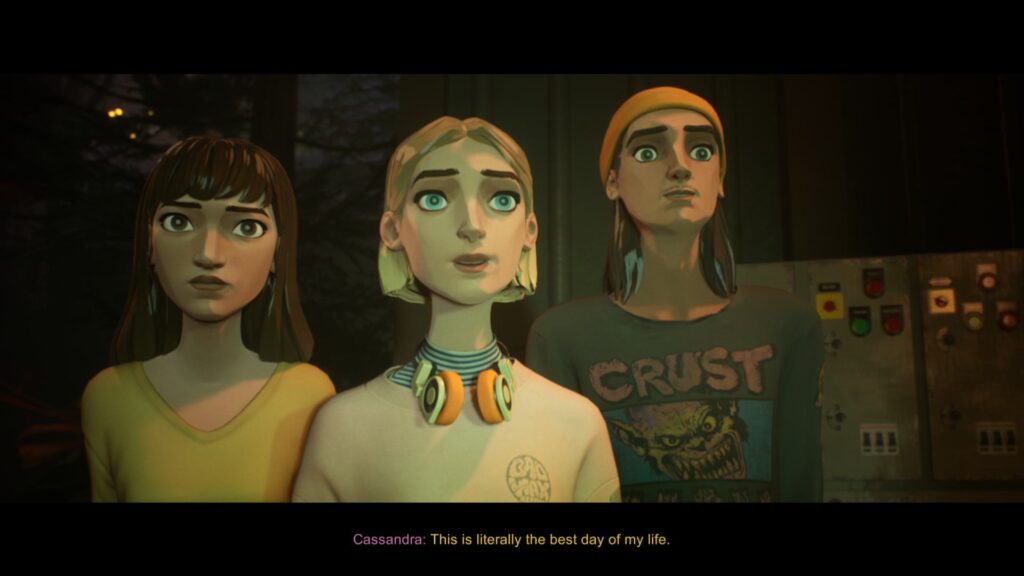
Mixtape made me feel so many things. Being insecure means you close yourself off to opportunities you do not even realize you are. Seeing Stacey, Cassandra, and Slater confidently strive through their teenage years made me recontextualize mine. I never thought that I was cool. I still do not think that I am, and that’s okay. What made me see things differently is that, in my convoluted way, I found myself.
